

-
-
Products

-
Technical Service
-

News
News Information
Understanding PCD Circular Saw Blades: Maximizing Efficiency in Cutting Tools
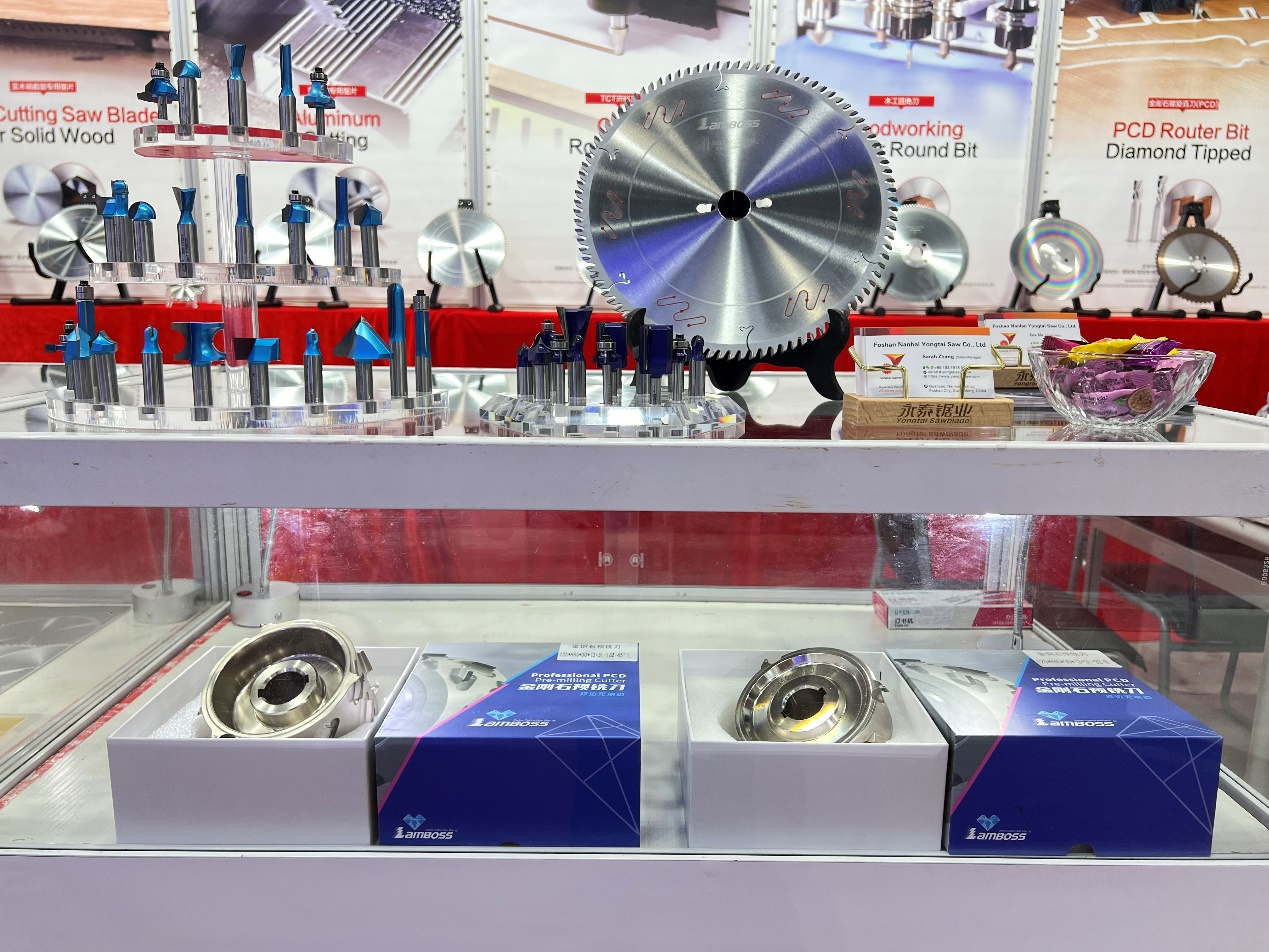
PCD (Polycrystalline Diamond) circular saw blades are revolutionizing the cutting tool industry due to their exceptional performance and durability. Unlike traditional saw blades that often use carbide or high-speed steel, PCD blades utilize synthetic diamond particles, which significantly enhance their cutting capabilities.
One of the primary advantages of PCD circular saw blades is their longevi
PCD (Polycrystalline Diamond) circular saw blades are revolutionizing the cutting tool industry due to their exceptional performance and durability. Unlike traditional saw blades that often use carbide or high-speed steel, PCD blades utilize synthetic diamond particles, which significantly enhance their cutting capabilities.
One of the primary advantages of PCD circular saw blades is their longevity. These blades are designed to withstand high wear and tear, making them ideal for cutting abrasive materials such as composites, plywood, and non-ferrous metals. Professionals in woodworking and construction industries have increasingly adopted PCD blades, as they can maintain sharpness for longer periods, reducing the frequency of blade replacements and minimizing downtime.
Another notable feature of PCD blades is their ability to produce clean, precise cuts. The sharpness of the diamond particles allows for smoother cutting edges, which is crucial for achieving high-quality finishes. This characteristic is particularly beneficial in applications where aesthetics matter, such as in furniture manufacturing and decorative woodworking.
In addition to their cutting efficiency, PCD circular saw blades are also known for their heat resistance. Traditional blades can become dull and lose their effectiveness when exposed to high temperatures generated during cutting operations. However, PCD blades maintain their integrity even under such conditions, ensuring consistent performance throughout extended use.
Moreover, PCD blades are versatile and can be used in various cutting contexts. Whether you are dealing with laminated materials, MDF, or aluminum, these blades can adapt to the task at hand, making them a valuable addition to any toolkit. Professionals can leverage this versatility to streamline their operations, as one type of blade can suffice for multiple applications.
When considering the use of PCD circular saw blades, it’s important to ensure compatibility with the cutting machine. Different machines may require specific blade configurations, and using the right mounting system is essential for optimal performance. Additionally, proper maintenance, such as cleaning and occasional sharpening by professionals, can further extend the life of these blades.
In conclusion, PCD circular saw blades represent a significant advancement in cutting technology, offering unparalleled durability, precision, and versatility. By incorporating these blades into their toolkit, professionals in the hardware tools industry can enhance their cutting efficiency and achieve superior results in their projects. Understanding the benefits and applications of PCD blades is essential for anyone looking to stay competitive in the ever-evolving landscape of cutting tools.
One of the primary advantages of PCD circular saw blades is their longevity. These blades are designed to withstand high wear and tear, making them ideal for cutting abrasive materials such as composites, plywood, and non-ferrous metals. Professionals in woodworking and construction industries have increasingly adopted PCD blades, as they can maintain sharpness for longer periods, reducing the frequency of blade replacements and minimizing downtime.
Another notable feature of PCD blades is their ability to produce clean, precise cuts. The sharpness of the diamond particles allows for smoother cutting edges, which is crucial for achieving high-quality finishes. This characteristic is particularly beneficial in applications where aesthetics matter, such as in furniture manufacturing and decorative woodworking.
In addition to their cutting efficiency, PCD circular saw blades are also known for their heat resistance. Traditional blades can become dull and lose their effectiveness when exposed to high temperatures generated during cutting operations. However, PCD blades maintain their integrity even under such conditions, ensuring consistent performance throughout extended use.
Moreover, PCD blades are versatile and can be used in various cutting contexts. Whether you are dealing with laminated materials, MDF, or aluminum, these blades can adapt to the task at hand, making them a valuable addition to any toolkit. Professionals can leverage this versatility to streamline their operations, as one type of blade can suffice for multiple applications.
When considering the use of PCD circular saw blades, it’s important to ensure compatibility with the cutting machine. Different machines may require specific blade configurations, and using the right mounting system is essential for optimal performance. Additionally, proper maintenance, such as cleaning and occasional sharpening by professionals, can further extend the life of these blades.
In conclusion, PCD circular saw blades represent a significant advancement in cutting technology, offering unparalleled durability, precision, and versatility. By incorporating these blades into their toolkit, professionals in the hardware tools industry can enhance their cutting efficiency and achieve superior results in their projects. Understanding the benefits and applications of PCD blades is essential for anyone looking to stay competitive in the ever-evolving landscape of cutting tools.
RELATED INFORMATION


Contact Us
86-18319185093 (same as WeChat)
Foshan Nanhai District Shishan Town Guanyao Village Industrial Development Zone
online message
Filling in your phone and E-mail information will help us to get in touch with you in time and solve your problems as soon as possible.