

-
-
Products

-
Technical Service
-

News
News Information
Understanding PCD Circular Saw Blades: The Ultimate Tool for Precision Cutting
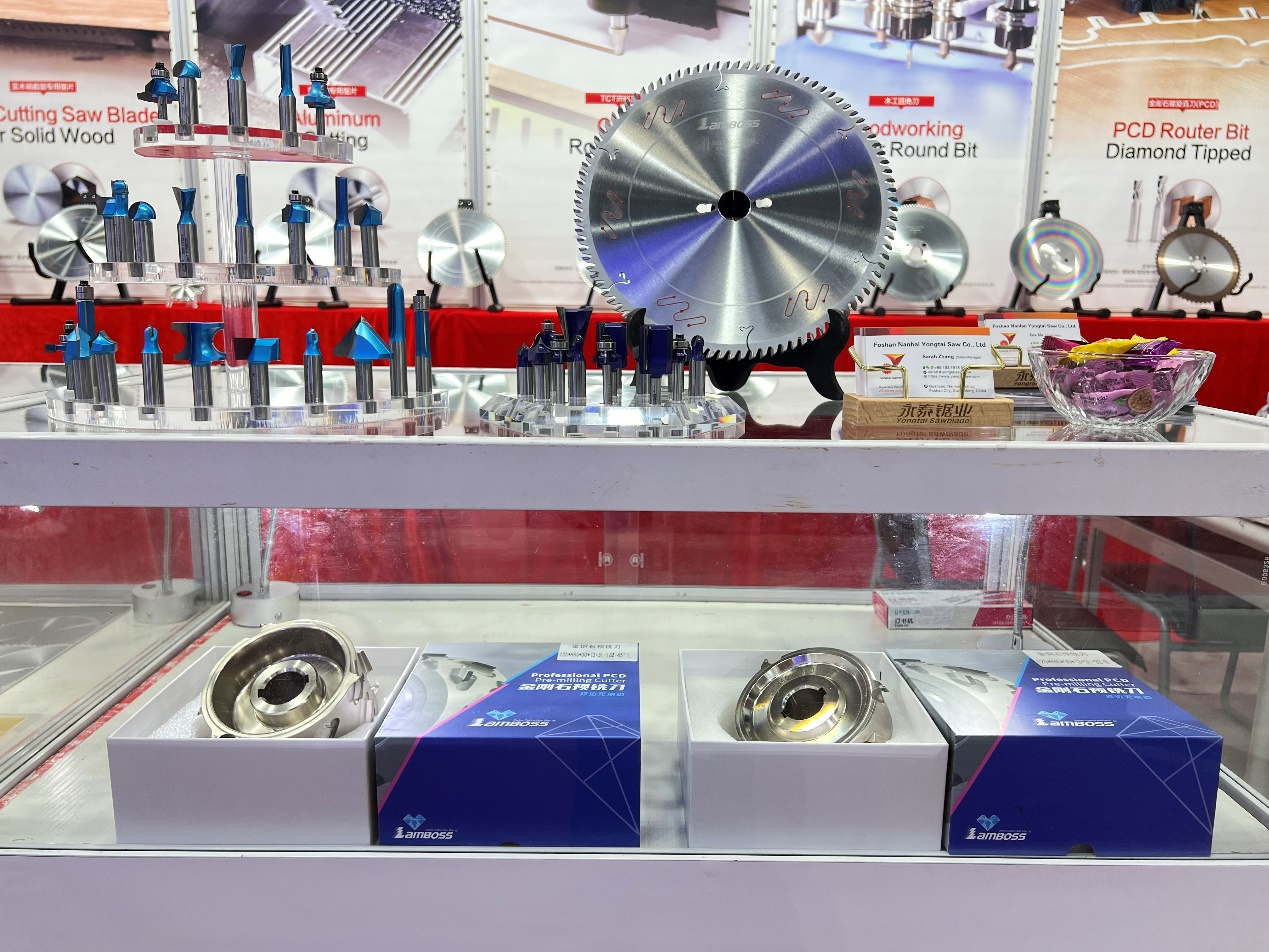
PCD circular saw blades are renowned for their superior cutting capabilities and long lifespan. These blades are made by bonding fine polycrystalline diamond particles to a carbide substrate, resulting in a cutting tool that can effectively slice through a variety of materials, including wood, composites, and plastics. The unique properties of PCD make these blades particularly suited for high-vol
PCD circular saw blades are renowned for their superior cutting capabilities and long lifespan. These blades are made by bonding fine polycrystalline diamond particles to a carbide substrate, resulting in a cutting tool that can effectively slice through a variety of materials, including wood, composites, and plastics. The unique properties of PCD make these blades particularly suited for high-volume production environments, where efficiency and precision are paramount.
One of the primary advantages of PCD circular saw blades is their exceptional wear resistance. Unlike traditional carbide blades, which can dull quickly when cutting abrasive materials, PCD blades maintain their sharpness for a significantly longer period. This not only reduces the frequency of blade replacements but also minimizes downtime, allowing manufacturers to enhance productivity. Additionally, the extended lifespan of PCD blades translates to cost savings in the long run, as users can avoid the frequent expenses associated with purchasing new blades.
Another key benefit of using PCD circular saw blades is their ability to produce clean and precise cuts. The sharpness of the diamond edges ensures that the material being cut is less likely to chip or splinter, which is crucial when working with high-quality finishes. This precision is particularly important in industries such as furniture manufacturing and cabinetry, where the aesthetics of the final product are critical.
When selecting a PCD circular saw blade, it’s essential to consider several factors, including the material being cut, the thickness of the material, and the desired finish. Different PCD blade configurations are available to cater to various applications, from general-purpose cutting to specialized tasks. Understanding these options allows users to make informed decisions that align with their specific cutting needs.
Furthermore, proper maintenance of PCD circular saw blades can significantly impact their performance and longevity. Regular cleaning to remove resin and debris, alongside proper storage, will help maintain the blade's integrity. Users should also follow manufacturer guidelines for optimal cutting speeds and feed rates, as these factors can influence the overall effectiveness and lifespan of the blade.
In summary, PCD circular saw blades are an invaluable asset for professionals in the hardware tools industry. Their durability, precision, and cost-effectiveness make them an ideal choice for various cutting applications. By understanding the characteristics and benefits of these blades, users can enhance their cutting processes and achieve superior results in their projects.
One of the primary advantages of PCD circular saw blades is their exceptional wear resistance. Unlike traditional carbide blades, which can dull quickly when cutting abrasive materials, PCD blades maintain their sharpness for a significantly longer period. This not only reduces the frequency of blade replacements but also minimizes downtime, allowing manufacturers to enhance productivity. Additionally, the extended lifespan of PCD blades translates to cost savings in the long run, as users can avoid the frequent expenses associated with purchasing new blades.
Another key benefit of using PCD circular saw blades is their ability to produce clean and precise cuts. The sharpness of the diamond edges ensures that the material being cut is less likely to chip or splinter, which is crucial when working with high-quality finishes. This precision is particularly important in industries such as furniture manufacturing and cabinetry, where the aesthetics of the final product are critical.
When selecting a PCD circular saw blade, it’s essential to consider several factors, including the material being cut, the thickness of the material, and the desired finish. Different PCD blade configurations are available to cater to various applications, from general-purpose cutting to specialized tasks. Understanding these options allows users to make informed decisions that align with their specific cutting needs.
Furthermore, proper maintenance of PCD circular saw blades can significantly impact their performance and longevity. Regular cleaning to remove resin and debris, alongside proper storage, will help maintain the blade's integrity. Users should also follow manufacturer guidelines for optimal cutting speeds and feed rates, as these factors can influence the overall effectiveness and lifespan of the blade.
In summary, PCD circular saw blades are an invaluable asset for professionals in the hardware tools industry. Their durability, precision, and cost-effectiveness make them an ideal choice for various cutting applications. By understanding the characteristics and benefits of these blades, users can enhance their cutting processes and achieve superior results in their projects.
RELATED INFORMATION


Contact Us
86-18319185093 (same as WeChat)
Foshan Nanhai District Shishan Town Guanyao Village Industrial Development Zone
online message
Filling in your phone and E-mail information will help us to get in touch with you in time and solve your problems as soon as possible.