

-
-
Products

-
Technical Service
-

News
News Information
The Science Behind PCD Circular Saw Blades: What Makes Them Unique?
The Science Behind PCD Circular Saw Blades: What Makes Them Unique?
Introduction to PCD Circular Saw Blades
Polycrystalline Diamond (PCD) circular saw blades represent a significant advancement in cutting technology. These blades are engineered for precision cutting, offering longer lifespan and superior performance compared to traditional steel blades. In this comprehensive guide, we delve into t
The Science Behind PCD Circular Saw Blades: What Makes Them Unique?
Introduction to PCD Circular Saw Blades
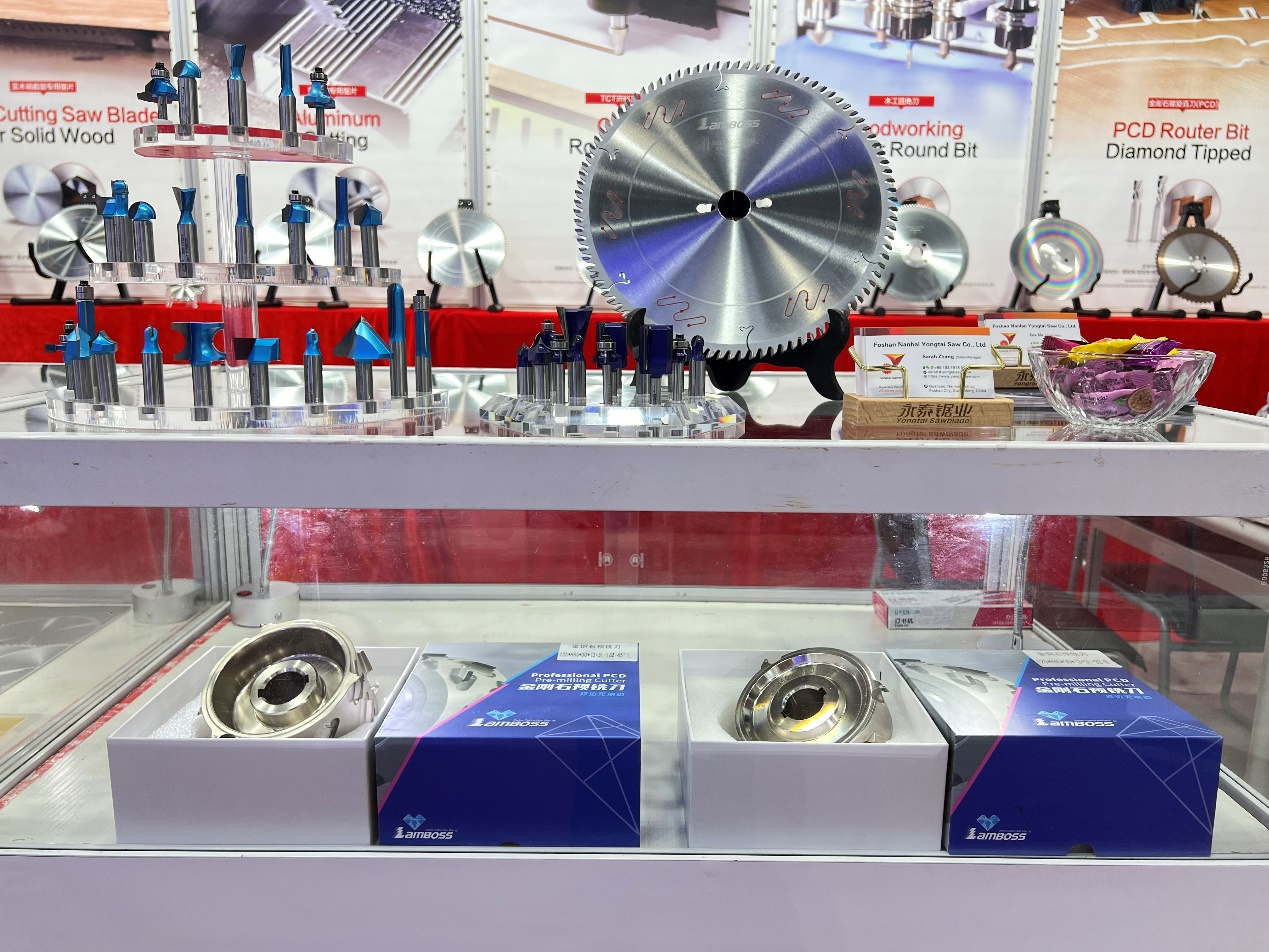
Polycrystalline Diamond (PCD) circular saw blades represent a significant advancement in cutting technology. These blades are engineered for precision cutting, offering longer lifespan and superior performance compared to traditional steel blades. In this comprehensive guide, we delve into the unique characteristics of PCD circular saw blades, their composition, applications, and how they are revolutionizing the woodworking and manufacturing industries.
Understanding PCD: What Exactly is Polycrystalline Diamond?
PCD is a synthetic diamond material that combines diamond particles into a solid mass, creating a durable and highly wear-resistant cutting edge. The manufacturing process involves sintering diamond particles under high pressure and temperature, resulting in a material that can withstand extreme conditions. This unique composition is what makes PCD blades an ideal choice for cutting a variety of materials, including wood, composites, and non-ferrous metals.
Benefits of Using PCD Circular Saw Blades
PCD circular saw blades provide numerous advantages over traditional carbide and high-speed steel blades:
1. Enhanced Durability and Lifespan
PCD blades can endure significantly longer than other types of blades, often lasting up to 20 times longer. This durability translates to fewer replacements, reducing downtime and operational costs.
2. Superior Cutting Performance
The sharpness of PCD blades allows for cleaner cuts with minimal chipping. This precision cutting is essential for industries where finish quality is paramount.
3. Cost Efficiency
While PCD blades come with a higher upfront cost, their longevity and reduced maintenance requirements can lead to overall cost savings over time. Less frequent replacements mean less spending on blade inventory.
4. Versatility Across Materials
PCD circular saw blades are not limited to just one type of material. They perform exceptionally well when cutting through wood, laminate, aluminum, and other composites, making them a versatile addition to any workshop.
Applications of PCD Circular Saw Blades
PCD circular saw blades are used across various industries due to their unique properties and performance characteristics:
1. Woodworking Industry
In the woodworking industry, PCD blades are preferred for their ability to make intricate cuts with excellent surface finish. They are particularly valuable for cutting engineered wood products such as plywood and MDF (Medium Density Fiberboard).
2. Composite Materials
The increasing use of composite materials in construction and automotive manufacturing has created a demand for tools that can effectively process these materials. PCD blades exhibit outstanding performance when cutting fiberglass, carbon fiber, and similar composites.
3. Aluminum Fabrication
Aluminum, being a soft metal, can be challenging to cut without causing burrs. PCD circular saw blades provide clean cuts without generating excessive heat, thereby preventing material deformation.
4. Aerospace and Automotive Industries
PCD blades are essential in industries that require precision and quality. Their ability to maintain sharpness while cutting hard materials makes them ideal for aerospace and automotive applications.
The Manufacturing Process of PCD Circular Saw Blades
Creating a PCD circular saw blade involves several intricate steps, each contributing to the final product's effectiveness:
1. Sintering of Diamond Particles
The process begins with the selection of high-quality diamond particles, which are then combined with a metal binder. Under high temperature and pressure in a controlled environment, these materials fuse together to form a solid matrix.
2. Blade Shaping and Grinding
Once the sintering process is complete, the resulting material is shaped into the desired blade geometry. Precision grinding techniques are employed to ensure that the cutting edge is sharp and uniform.
3. Coating for Enhanced Performance
Some PCD blades may receive additional coatings to enhance their performance further. These coatings can improve lubricity and reduce friction, allowing for smoother cuts and longer blade life.
Maintenance of PCD Circular Saw Blades
Proper maintenance is essential for maximizing the lifespan and performance of PCD circular saw blades:
1. Regular Cleaning
After each use, blades should be cleaned to remove any resin or dust that may accumulate during cutting. This practice helps maintain cutting efficiency.
2. Regular Inspection
Routine inspections should be conducted to check for any signs of wear or damage. Early detection of issues can prevent accidents and ensure optimal blade performance.
3. Sharpening Techniques
When PCD blades lose their sharpness, professional sharpening services should be utilized. Attempting to sharpen PCD blades at home is not advisable, as it can lead to further damage.
FAQs About PCD Circular Saw Blades
1. What materials can be cut with PCD circular saw blades?
PCD circular saw blades are suitable for cutting wood, composite materials, aluminum, and non-ferrous metals, providing versatility in various applications.
2. How long can I expect a PCD blade to last?
Depending on usage, PCD blades can last significantly longer than traditional blades—often up to 20 times longer—allowing for extended use before replacement.
3. Are PCD blades more expensive than traditional blades?
Yes, PCD blades typically have a higher initial cost; however, their durability and longevity can lead to long-term savings in operational costs.
4. Can PCD blades be resharpened?
PCD blades can be sharpened, but it is recommended to have this done by professionals to avoid damaging the cutting edge.
5. Why should I choose PCD over carbide or steel blades?
PCD blades offer superior durability, cutting precision, and longevity compared to carbide or steel blades, making them a more efficient choice for demanding applications.
Conclusion: The Future of Cutting Technology with PCD Circular Saw Blades
The emergence of PCD circular saw blades has transformed the landscape of cutting tools, providing unparalleled durability and performance. Their unique properties make them indispensable in industries that require precision and efficiency. As technology continues to advance, the role of PCD blades in various applications will only expand, showcasing the remarkable capabilities of modern cutting tools. Embracing PCD technology means investing in a future of superior cutting performance, reduced operational costs, and enhanced productivity.
RELATED INFORMATION


Contact Us
86-18319185093 (same as WeChat)
Foshan Nanhai District Shishan Town Guanyao Village Industrial Development Zone
online message
Filling in your phone and E-mail information will help us to get in touch with you in time and solve your problems as soon as possible.