

-
-
Products

-
Technical Service
-

News
News Information
Unlocking the Power of Carbide Circular Saw Blades: Essential Insights for Industrial Cutting
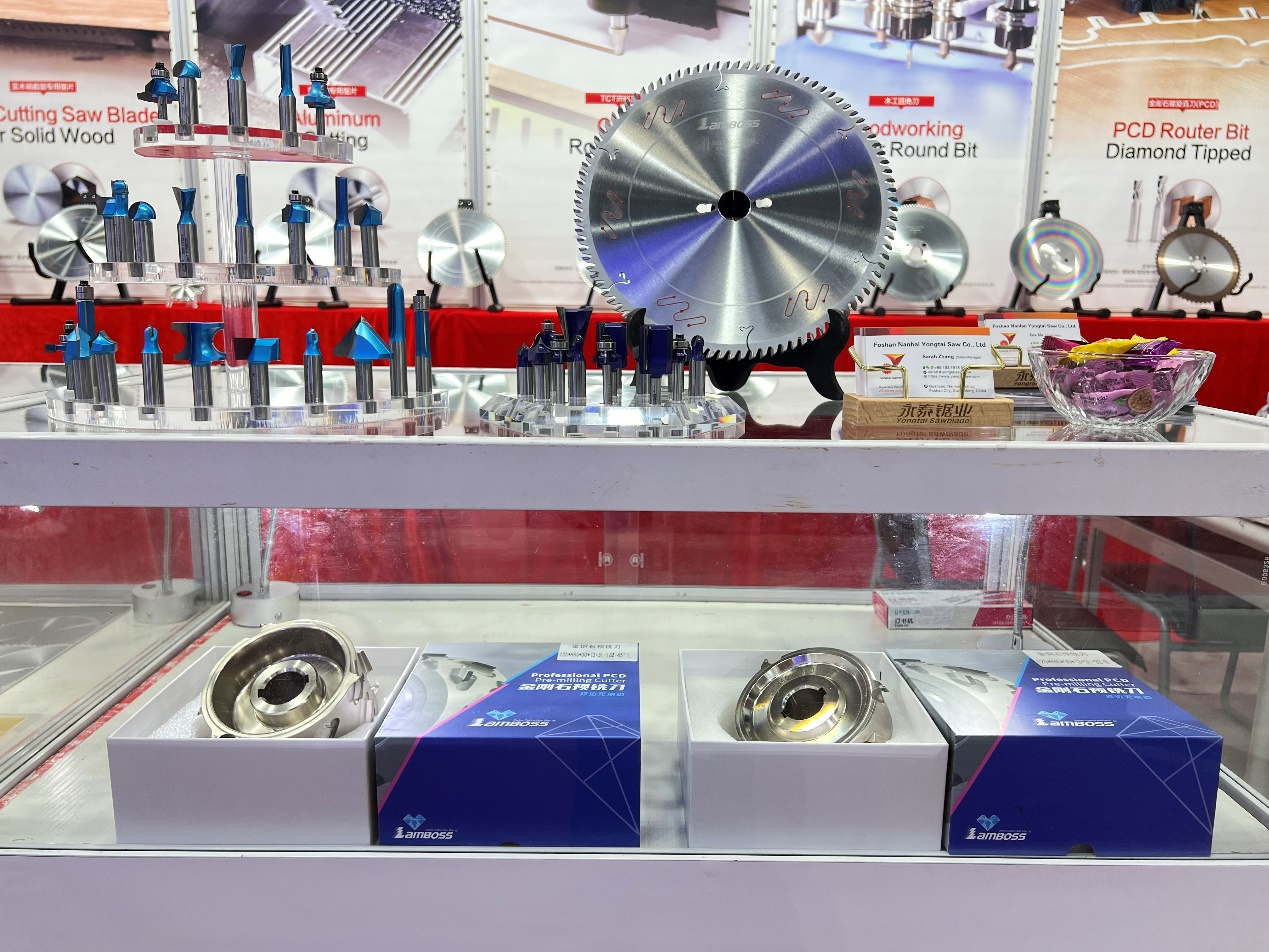
Carbide circular saw blades are essential tools in the industrial equipment and components sector, particularly for cutting operations that demand precision and durability. Unlike traditional steel blades, carbide blades are embedded with tungsten carbide particles, which significantly enhance their hardness and strength. This advanced composition allows them to cut through various materials more
Carbide circular saw blades are essential tools in the industrial equipment and components sector, particularly for cutting operations that demand precision and durability. Unlike traditional steel blades, carbide blades are embedded with tungsten carbide particles, which significantly enhance their hardness and strength. This advanced composition allows them to cut through various materials more effectively, making them a preferred choice for professionals in manufacturing, construction, and woodworking industries.
One of the primary benefits of carbide circular saw blades is their longevity. They maintain a sharp edge longer than regular blades, which reduces the frequency of replacements and the associated downtime in operations. This durability translates to cost savings over time, as businesses can minimize the number of blades they purchase and the time spent on blade changes. Additionally, carbide blades are known for their efficiency in cutting, allowing for faster operation speeds, which can lead to improved productivity.
When considering the use of carbide circular saw blades, it is important to understand their applications. These blades are versatile and can be used for cutting various materials, including wood, metal, plastic, and composites. This adaptability makes them suitable for many different projects, whether you are dealing with fine woodworking or heavy-duty metal fabrication. However, selecting the right type of carbide blade for your specific application is crucial, as the tooth design and blade thickness can greatly affect cutting performance.
Maintaining carbide circular saw blades is essential to ensure their optimal performance. Proper maintenance practices include keeping the blades clean, checking for wear and damage, and ensuring they are stored correctly when not in use. Using the appropriate feed rate and cutting speed during operations can also prolong the life of the blades.
Furthermore, safety should always be a priority when working with carbide circular saw blades. Operators should be trained in the proper use of cutting tools and should wear appropriate personal protective equipment. Ensuring that the blades are correctly installed on the saw and that the workspace is organized can help prevent accidents.
In summary, carbide circular saw blades are integral tools in the industrial sector, offering enhanced durability, versatility, and efficiency. By understanding their benefits, applications, and maintenance practices, users can maximize their cutting performance and achieve superior results in their projects. Whether you're a seasoned professional or new to the industry, investing in quality carbide circular saw blades can lead to significant improvements in your cutting operations.
One of the primary benefits of carbide circular saw blades is their longevity. They maintain a sharp edge longer than regular blades, which reduces the frequency of replacements and the associated downtime in operations. This durability translates to cost savings over time, as businesses can minimize the number of blades they purchase and the time spent on blade changes. Additionally, carbide blades are known for their efficiency in cutting, allowing for faster operation speeds, which can lead to improved productivity.
When considering the use of carbide circular saw blades, it is important to understand their applications. These blades are versatile and can be used for cutting various materials, including wood, metal, plastic, and composites. This adaptability makes them suitable for many different projects, whether you are dealing with fine woodworking or heavy-duty metal fabrication. However, selecting the right type of carbide blade for your specific application is crucial, as the tooth design and blade thickness can greatly affect cutting performance.
Maintaining carbide circular saw blades is essential to ensure their optimal performance. Proper maintenance practices include keeping the blades clean, checking for wear and damage, and ensuring they are stored correctly when not in use. Using the appropriate feed rate and cutting speed during operations can also prolong the life of the blades.
Furthermore, safety should always be a priority when working with carbide circular saw blades. Operators should be trained in the proper use of cutting tools and should wear appropriate personal protective equipment. Ensuring that the blades are correctly installed on the saw and that the workspace is organized can help prevent accidents.
In summary, carbide circular saw blades are integral tools in the industrial sector, offering enhanced durability, versatility, and efficiency. By understanding their benefits, applications, and maintenance practices, users can maximize their cutting performance and achieve superior results in their projects. Whether you're a seasoned professional or new to the industry, investing in quality carbide circular saw blades can lead to significant improvements in your cutting operations.
RELATED INFORMATION


Contact Us
86-18319185093 (same as WeChat)
Foshan Nanhai District Shishan Town Guanyao Village Industrial Development Zone
online message
Filling in your phone and E-mail information will help us to get in touch with you in time and solve your problems as soon as possible.