

-
-
Products

-
Technical Service
-

News
News Information
Maximizing Efficiency with Industrial Circular Saw Blades: A Comprehensive Guide
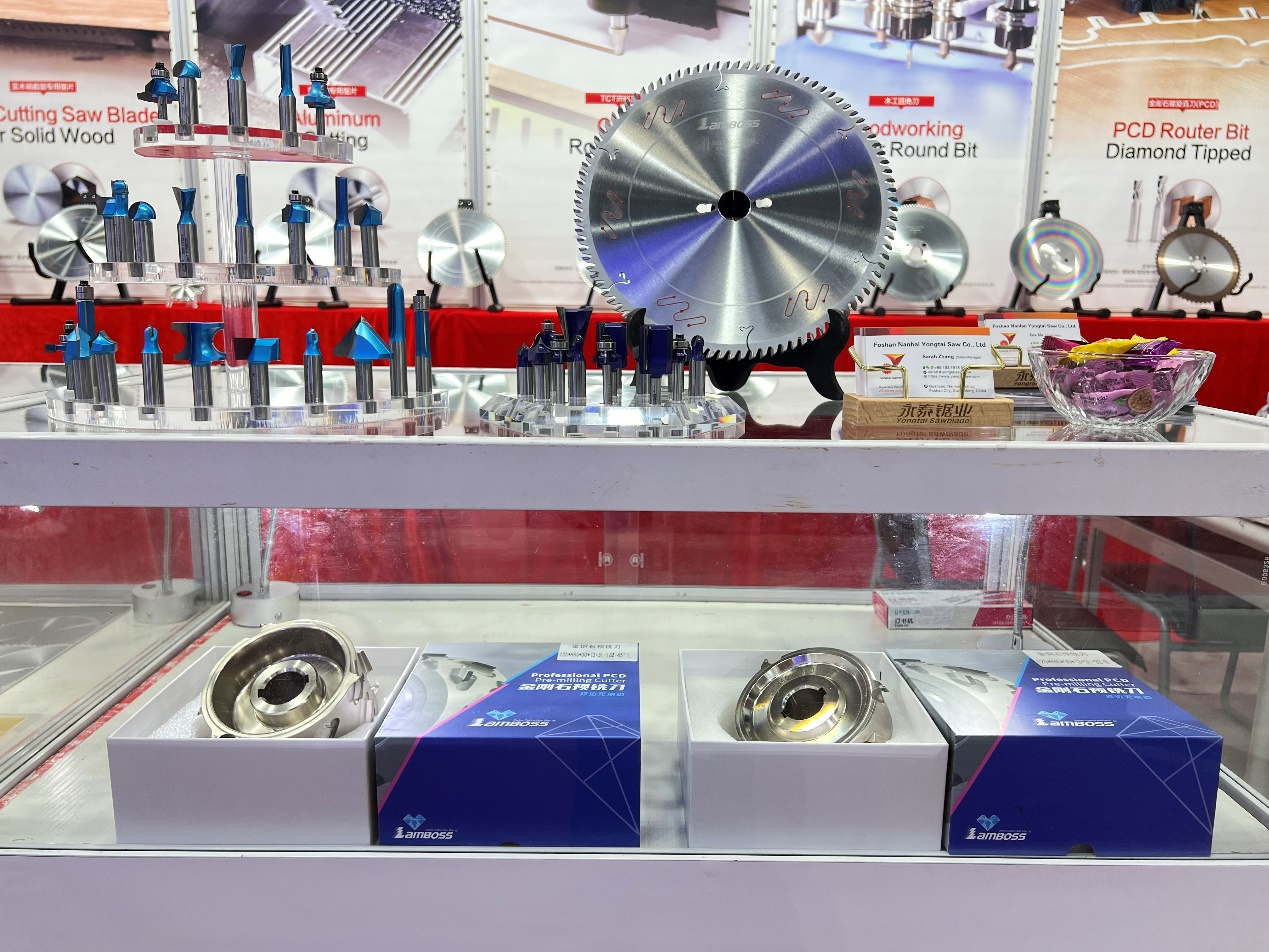
Industrial circular saw blades are critical components in various manufacturing processes, especially in industries requiring precision cutting of materials. Understanding the features, types, and maintenance of these blades can significantly enhance efficiency and productivity in your operations.
When selecting an industrial circular saw blade, it is crucial to consider the material being cut. Di
Industrial circular saw blades are critical components in various manufacturing processes, especially in industries requiring precision cutting of materials. Understanding the features, types, and maintenance of these blades can significantly enhance efficiency and productivity in your operations.
When selecting an industrial circular saw blade, it is crucial to consider the material being cut. Different blades are designed for specific applications, such as wood, metal, or composite materials. For instance, carbide-tipped blades are widely favored for their durability and ability to cut through hardwoods and engineered wood products with ease. On the other hand, high-speed steel (HSS) blades are ideal for cutting softer materials and provide excellent edge retention.
The design of the blade also plays a vital role in its performance. Tooth geometry, blade thickness, and diameter can all influence the cutting speed and finish quality. Blades with fewer teeth are generally better for faster cuts, while those with more teeth provide a smoother finish but may require slower feed rates. Consequently, understanding the balance between cutting speed and finish quality is essential for optimizing operational efficiency.
Moreover, the maintenance of industrial circular saw blades is a key factor in ensuring their longevity and performance. Regular cleaning and proper storage can prevent rust and damage, while periodic sharpening will maintain cutting efficiency. Techniques such as using a diamond grinding wheel for sharpening can extend the lifespan of the blades. Additionally, it’s advisable to inspect blades for wear and tear before each use to avoid potential safety hazards and ensure optimal cutting performance.
Furthermore, safety should always be a priority when working with industrial circular saw blades. Proper use of personal protective equipment (PPE), such as safety glasses and gloves, is essential in preventing accidents. Familiarizing your team with the operational guidelines and best practices for handling these tools will foster a safer work environment.
In conclusion, industrial circular saw blades are indispensable tools in various manufacturing settings. By understanding the different types of blades, their applications, and maintenance practices, professionals can enhance their cutting operations and achieve greater efficiency. Investing time in training staff on safety measures and blade care can lead to improved productivity and reduced operational costs in the long run.
When selecting an industrial circular saw blade, it is crucial to consider the material being cut. Different blades are designed for specific applications, such as wood, metal, or composite materials. For instance, carbide-tipped blades are widely favored for their durability and ability to cut through hardwoods and engineered wood products with ease. On the other hand, high-speed steel (HSS) blades are ideal for cutting softer materials and provide excellent edge retention.
The design of the blade also plays a vital role in its performance. Tooth geometry, blade thickness, and diameter can all influence the cutting speed and finish quality. Blades with fewer teeth are generally better for faster cuts, while those with more teeth provide a smoother finish but may require slower feed rates. Consequently, understanding the balance between cutting speed and finish quality is essential for optimizing operational efficiency.
Moreover, the maintenance of industrial circular saw blades is a key factor in ensuring their longevity and performance. Regular cleaning and proper storage can prevent rust and damage, while periodic sharpening will maintain cutting efficiency. Techniques such as using a diamond grinding wheel for sharpening can extend the lifespan of the blades. Additionally, it’s advisable to inspect blades for wear and tear before each use to avoid potential safety hazards and ensure optimal cutting performance.
Furthermore, safety should always be a priority when working with industrial circular saw blades. Proper use of personal protective equipment (PPE), such as safety glasses and gloves, is essential in preventing accidents. Familiarizing your team with the operational guidelines and best practices for handling these tools will foster a safer work environment.
In conclusion, industrial circular saw blades are indispensable tools in various manufacturing settings. By understanding the different types of blades, their applications, and maintenance practices, professionals can enhance their cutting operations and achieve greater efficiency. Investing time in training staff on safety measures and blade care can lead to improved productivity and reduced operational costs in the long run.
RELATED INFORMATION


Contact Us
86-18319185093 (same as WeChat)
Foshan Nanhai District Shishan Town Guanyao Village Industrial Development Zone
online message
Filling in your phone and E-mail information will help us to get in touch with you in time and solve your problems as soon as possible.