

-
-
Products

-
Technical Service
-

News
News Information
The Ultimate Guide to Carbide Circular Saw Blades: Enhancing Precision in Industrial Cutting
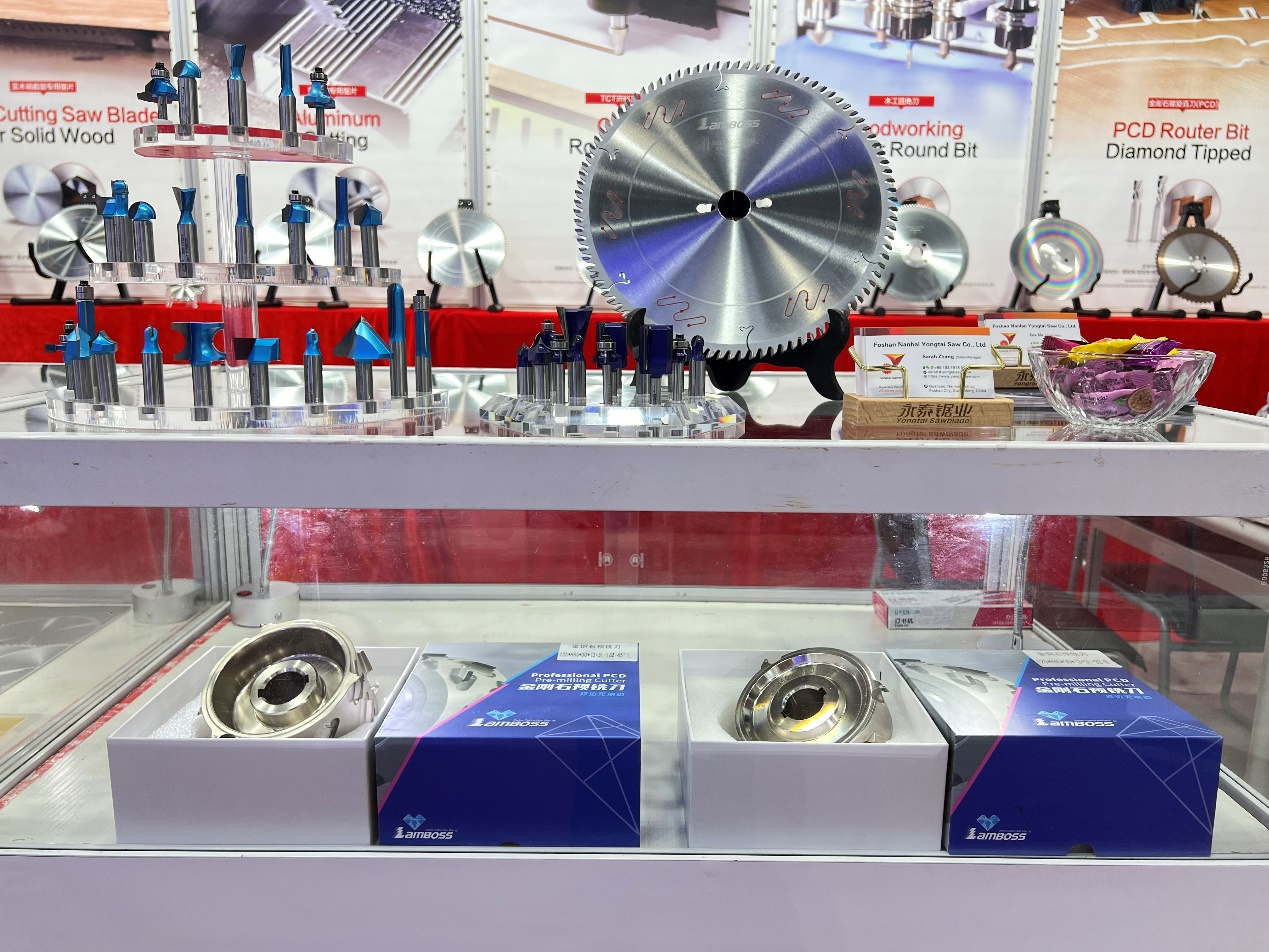
Carbide circular saw blades are indispensable tools in the realm of industrial cutting, particularly for their remarkable durability and cutting performance. These blades are designed to efficiently cut through various materials, making them a favored choice in sectors that require high precision and longevity from their cutting tools.
One of the primary advantages of carbide circular saw blades l
Carbide circular saw blades are indispensable tools in the realm of industrial cutting, particularly for their remarkable durability and cutting performance. These blades are designed to efficiently cut through various materials, making them a favored choice in sectors that require high precision and longevity from their cutting tools.
One of the primary advantages of carbide circular saw blades lies in their construction. Made from tungsten carbide, these blades feature teeth that are significantly tougher than those made from standard steel. This allows them to maintain sharpness longer, resist wear, and achieve cleaner cuts, ultimately enhancing the quality of the finished product. The durability of carbide also means fewer blade replacements, which results in lower operational costs over time.
When selecting a carbide circular saw blade, several factors should be considered. The tooth geometry is crucial; it determines the type of cut and the material compatibility. For instance, blades with a higher tooth count are ideal for making finer cuts on thinner materials, while those with fewer teeth are typically used for ripping through thicker stock more efficiently. Additionally, the kerf width, which is the thickness of the blade, plays a significant role in determining the amount of material lost during the cutting process. A thinner kerf blade will minimize waste and allow for more precise cuts.
Another critical consideration is the blade's coating. Many carbide circular saw blades come with specialized coatings that reduce friction, helping to prevent overheating during use. This not only prolongs the life of the blade but also enhances the quality of the cut. Common coatings include titanium carbide and chrome, each offering unique benefits depending on the material being cut and the cutting conditions.
Carbide circular saw blades are versatile tools suitable for a wide range of applications, from woodworking to metalworking. They are particularly effective in environments that require high-volume cutting, such as manufacturing facilities and construction sites. In woodworking, these blades can tackle everything from hardwood to plywood, while in metalworking, they are ideal for cutting aluminum and other non-ferrous metals.
In summary, carbide circular saw blades are a critical investment for professionals seeking to enhance their cutting capabilities. Their superior durability, precision, and versatility make them an essential component in numerous industrial applications. By understanding the key features and selecting the right blade for specific tasks, professionals can significantly improve their operational efficiency and output quality. Whether you are a seasoned craftsman or a newcomer to the industry, incorporating carbide circular saw blades into your toolkit is a decision that can dramatically affect your cutting performance.
One of the primary advantages of carbide circular saw blades lies in their construction. Made from tungsten carbide, these blades feature teeth that are significantly tougher than those made from standard steel. This allows them to maintain sharpness longer, resist wear, and achieve cleaner cuts, ultimately enhancing the quality of the finished product. The durability of carbide also means fewer blade replacements, which results in lower operational costs over time.
When selecting a carbide circular saw blade, several factors should be considered. The tooth geometry is crucial; it determines the type of cut and the material compatibility. For instance, blades with a higher tooth count are ideal for making finer cuts on thinner materials, while those with fewer teeth are typically used for ripping through thicker stock more efficiently. Additionally, the kerf width, which is the thickness of the blade, plays a significant role in determining the amount of material lost during the cutting process. A thinner kerf blade will minimize waste and allow for more precise cuts.
Another critical consideration is the blade's coating. Many carbide circular saw blades come with specialized coatings that reduce friction, helping to prevent overheating during use. This not only prolongs the life of the blade but also enhances the quality of the cut. Common coatings include titanium carbide and chrome, each offering unique benefits depending on the material being cut and the cutting conditions.
Carbide circular saw blades are versatile tools suitable for a wide range of applications, from woodworking to metalworking. They are particularly effective in environments that require high-volume cutting, such as manufacturing facilities and construction sites. In woodworking, these blades can tackle everything from hardwood to plywood, while in metalworking, they are ideal for cutting aluminum and other non-ferrous metals.
In summary, carbide circular saw blades are a critical investment for professionals seeking to enhance their cutting capabilities. Their superior durability, precision, and versatility make them an essential component in numerous industrial applications. By understanding the key features and selecting the right blade for specific tasks, professionals can significantly improve their operational efficiency and output quality. Whether you are a seasoned craftsman or a newcomer to the industry, incorporating carbide circular saw blades into your toolkit is a decision that can dramatically affect your cutting performance.
RELATED INFORMATION


Contact Us
86-18319185093 (same as WeChat)
Foshan Nanhai District Shishan Town Guanyao Village Industrial Development Zone
online message
Filling in your phone and E-mail information will help us to get in touch with you in time and solve your problems as soon as possible.