

-
-
Products

-
Technical Service
-

News
News Information
Maximizing Efficiency with Hardwood Cutting Saw Blades: A Comprehensive Guide
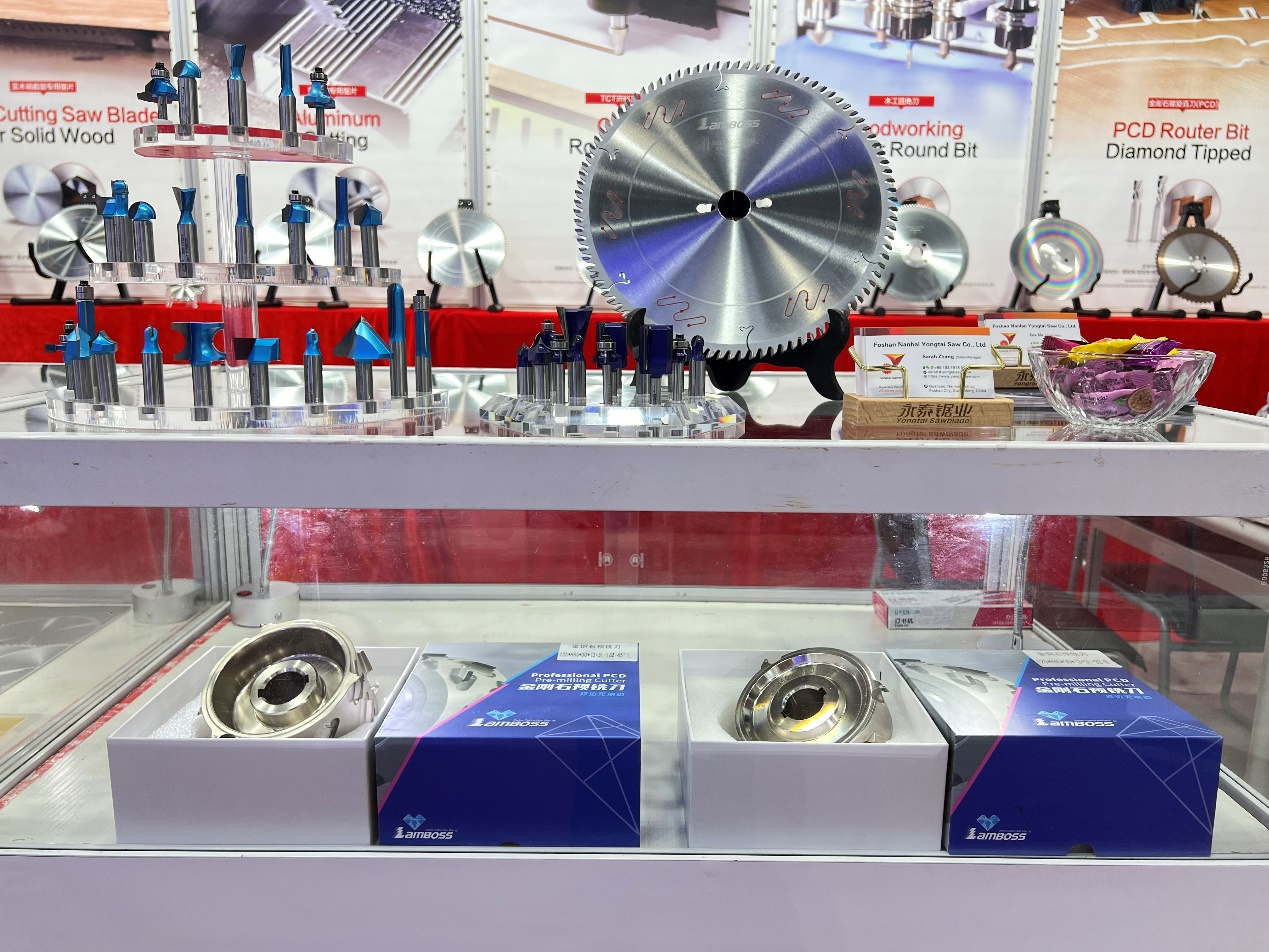
When it comes to woodworking and industrial applications, the choice of a hardwood cutting saw blade is critical to achieving precision and efficiency. These saw blades are specifically designed to cut through dense hardwood materials, such as oak, maple, and cherry, ensuring clean and accurate cuts. Understanding the characteristics and features of hardwood cutting saw blades can help professiona
When it comes to woodworking and industrial applications, the choice of a hardwood cutting saw blade is critical to achieving precision and efficiency. These saw blades are specifically designed to cut through dense hardwood materials, such as oak, maple, and cherry, ensuring clean and accurate cuts. Understanding the characteristics and features of hardwood cutting saw blades can help professionals make informed decisions for their projects.
One of the primary considerations when selecting a hardwood cutting saw blade is the tooth design. Different tooth geometries serve various purposes; for instance, a flat-top grind (FTG) is often used for ripping lumber, while a combination tooth design may be more suitable for cross-cutting applications. Choosing the right tooth design can significantly impact the quality of the cut and the speed of the operation.
Additionally, the material from which the saw blade is made plays a crucial role in its performance. High-speed steel (HSS) blades are known for their durability and resistance to wear, making them a popular choice for hardwood cutting. Carbide-tipped blades, on the other hand, offer even greater longevity and can maintain sharpness longer than traditional HSS blades. When dealing with particularly tough hardwoods, investing in carbide-tipped blades may yield better results in the long run.
Another important aspect to consider is the blade diameter and thickness. Larger diameter blades can make deeper cuts, while thinner blades tend to produce less kerf, which is the material removed while cutting. Selecting the appropriate size of the hardwood cutting saw blade will depend on the specific requirements of your project, such as material thickness and the type of cuts desired.
Moreover, the choice of saw itself can affect how well the hardwood cutting saw blade performs. Ensuring compatibility between the blade and the machine is essential for optimal functionality and safety. Always consult the manufacturer’s guidelines to confirm that the blade fits properly and is rated for the intended use.
Maintenance is also a key factor in maximizing the performance of hardwood cutting saw blades. Regularly cleaning the blades and checking for signs of wear can help maintain cutting efficiency and prolong the lifespan of the blade. Keeping blades sharp is crucial; using dull blades can lead to increased heat generation and potential damage to both the blade and the workpiece.
In conclusion, selecting the right hardwood cutting saw blade involves considering tooth design, material, size, and maintenance practices. By understanding these factors, professionals in the industrial equipment and tooling sector can enhance their cutting operations and achieve superior results. Investing time in the selection and care of hardwood cutting saw blades will ultimately lead to greater efficiency and quality in woodworking tasks.
One of the primary considerations when selecting a hardwood cutting saw blade is the tooth design. Different tooth geometries serve various purposes; for instance, a flat-top grind (FTG) is often used for ripping lumber, while a combination tooth design may be more suitable for cross-cutting applications. Choosing the right tooth design can significantly impact the quality of the cut and the speed of the operation.
Additionally, the material from which the saw blade is made plays a crucial role in its performance. High-speed steel (HSS) blades are known for their durability and resistance to wear, making them a popular choice for hardwood cutting. Carbide-tipped blades, on the other hand, offer even greater longevity and can maintain sharpness longer than traditional HSS blades. When dealing with particularly tough hardwoods, investing in carbide-tipped blades may yield better results in the long run.
Another important aspect to consider is the blade diameter and thickness. Larger diameter blades can make deeper cuts, while thinner blades tend to produce less kerf, which is the material removed while cutting. Selecting the appropriate size of the hardwood cutting saw blade will depend on the specific requirements of your project, such as material thickness and the type of cuts desired.
Moreover, the choice of saw itself can affect how well the hardwood cutting saw blade performs. Ensuring compatibility between the blade and the machine is essential for optimal functionality and safety. Always consult the manufacturer’s guidelines to confirm that the blade fits properly and is rated for the intended use.
Maintenance is also a key factor in maximizing the performance of hardwood cutting saw blades. Regularly cleaning the blades and checking for signs of wear can help maintain cutting efficiency and prolong the lifespan of the blade. Keeping blades sharp is crucial; using dull blades can lead to increased heat generation and potential damage to both the blade and the workpiece.
In conclusion, selecting the right hardwood cutting saw blade involves considering tooth design, material, size, and maintenance practices. By understanding these factors, professionals in the industrial equipment and tooling sector can enhance their cutting operations and achieve superior results. Investing time in the selection and care of hardwood cutting saw blades will ultimately lead to greater efficiency and quality in woodworking tasks.
RELATED INFORMATION


Contact Us
86-18319185093 (same as WeChat)
Foshan Nanhai District Shishan Town Guanyao Village Industrial Development Zone
online message
Filling in your phone and E-mail information will help us to get in touch with you in time and solve your problems as soon as possible.