

-
-
Products

-
Technical Service
-

News
News Information
Maximize Efficiency: How Pre Milling Cutters Enhance Production Workflow in Industrial Applications
Maximize Efficiency: How Pre Milling Cutters Enhance Production Workflow in Industrial Applications
Table of Contents
Introduction to Pre Milling Cutters
Understanding Pre Milling Cutters and Their Functionality
Benefits of Using Pre Milling Cutters in Production
Key Applications of Pre Milling Cutters in Various Industries
Selecting the Right Pre Milling Cutter for Your Needs
Maximize Efficiency: How Pre Milling Cutters Enhance Production Workflow in Industrial Applications
Table of Contents
- Introduction to Pre Milling Cutters
- Understanding Pre Milling Cutters and Their Functionality
- Benefits of Using Pre Milling Cutters in Production
- Key Applications of Pre Milling Cutters in Various Industries
- Selecting the Right Pre Milling Cutter for Your Needs
- Optimizing Production Workflow with Pre Milling Cutters
- Maintenance and Care of Pre Milling Cutters
- Frequently Asked Questions (FAQs)
- Conclusion
Introduction to Pre Milling Cutters
In the ever-evolving landscape of industrial manufacturing, efficiency is paramount. Companies constantly seek innovative solutions to enhance their production capabilities while minimizing waste and downtime. One such solution is the pre milling cutter, a vital tool that significantly impacts the production workflow. This article delves into the intricate details of pre milling cutters, their benefits, applications, and optimization strategies that can help businesses maximize their operational efficiency.
Understanding Pre Milling Cutters and Their Functionality
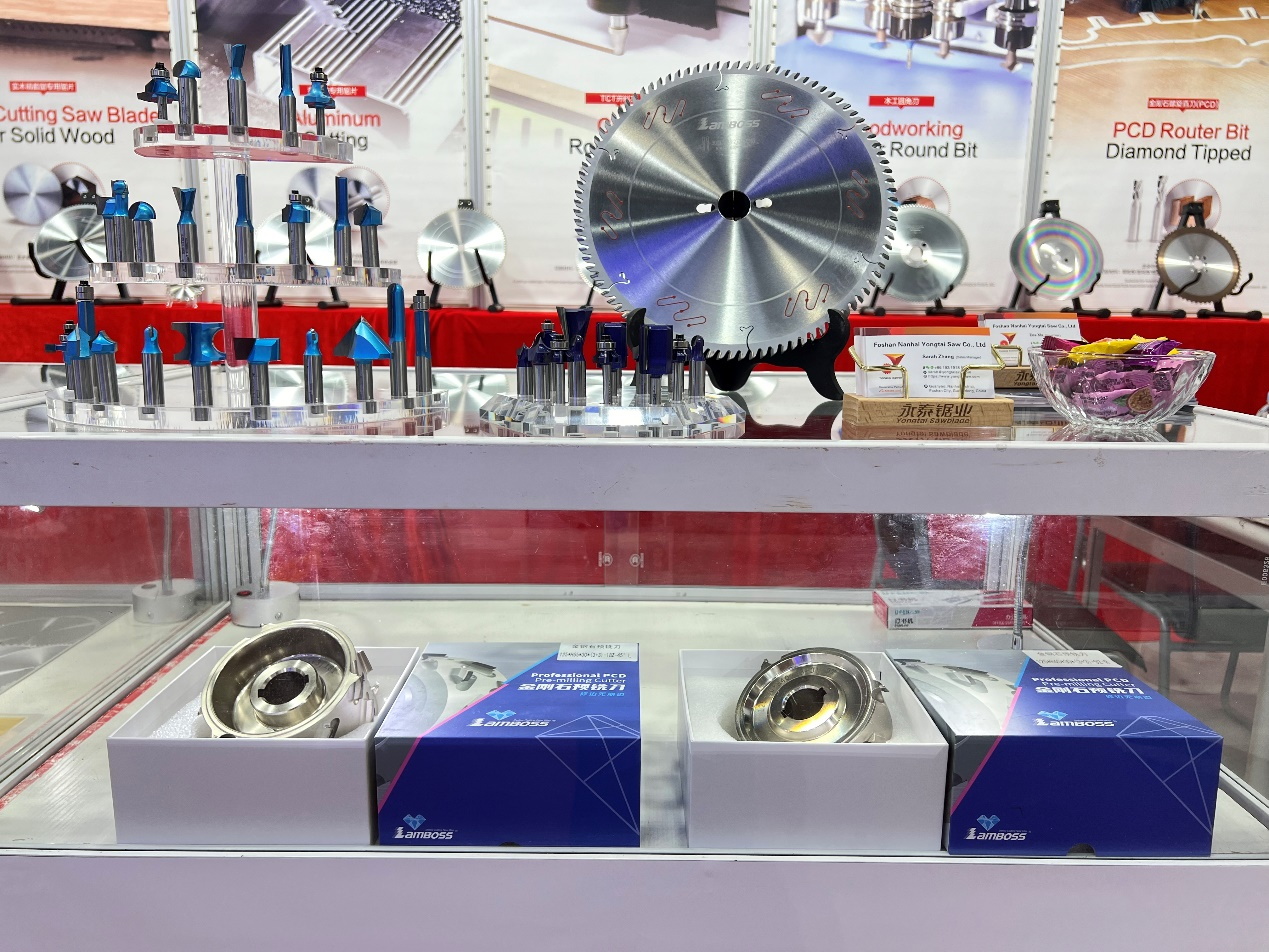
Pre milling cutters are specialized tools designed to prepare materials for further machining processes. These cutters are primarily employed to create precise surface finishes and dimensional accuracy before the main milling operation. By utilizing pre milling cutters, manufacturers can ensure that the workpieces are adequately prepared, thereby enhancing the efficiency of subsequent operations.
The primary function of a pre milling cutter is to remove excess material and create a uniform surface for further processing. This is particularly crucial in industries where precision is a top priority, such as aerospace, automotive, and electronics. The design of pre milling cutters varies based on the intended application, with options available for various materials, including metals, plastics, and composites.
Benefits of Using Pre Milling Cutters in Production
Employing pre milling cutters offers a myriad of advantages that contribute to improved productivity and reduced operational costs. Here are some key benefits:
1. Enhanced Surface Quality
Pre milling cutters are engineered to produce superior surface finishes, thereby reducing the need for additional finishing operations. This enhancement in surface quality translates to improved performance and longevity of the final product.
2. Increased Precision and Accuracy
These cutters enable manufacturers to achieve higher levels of precision and accuracy in their machining processes. By ensuring that the material is correctly prepared, pre milling cutters minimize the risk of errors during subsequent operations.
3. Reduced Cycle Times
With the ability to prepare workpieces more efficiently, pre milling cutters significantly reduce overall cycle times. This increase in speed helps manufacturers meet tight deadlines and improve throughput.
4. Cost Savings
By streamlining the machining process and reducing the need for additional finishing operations, pre milling cutters can lead to considerable cost savings. This is particularly beneficial for high-volume production runs.
5. Versatility
Pre milling cutters are versatile tools that can be adapted to various materials and machining processes. This adaptability makes them an essential component in diverse industrial applications.
Key Applications of Pre Milling Cutters in Various Industries
Pre milling cutters find applications across various industries, each leveraging their unique capabilities to enhance productivity. Here are some notable sectors where these tools are instrumental:
Aerospace Industry
In the aerospace sector, precision is non-negotiable. Pre milling cutters are used to prepare components for aircraft, ensuring that they meet stringent quality standards.
Automotive Manufacturing
The automotive industry relies on pre milling cutters for producing engine components, transmission parts, and other critical elements. These cutters help maintain the accuracy required for high-performance vehicles.
Electronics Production
In electronics manufacturing, pre milling cutters are employed to create circuit boards and other components, offering the precision necessary for complex designs.
Medical Device Manufacturing
The medical field demands the highest levels of accuracy and quality. Pre milling cutters are utilized to fabricate surgical instruments and implants, ensuring they meet the required safety and performance standards.
Selecting the Right Pre Milling Cutter for Your Needs
Choosing the appropriate pre milling cutter is essential for maximizing efficiency and achieving desired results. Several factors should be considered when selecting these tools:
1. Material Compatibility
Different materials require specific types of cutters. Understanding the material properties can help in choosing the right tool for the job.
2. Cutter Geometry
The design and geometry of the cutter can significantly influence its performance. Consider factors such as cutting edge design, number of flutes, and diameter for optimal results.
3. Application Requirements
Determine the specific requirements of your application. Factors such as desired surface finish, tolerances, and production volume can guide the selection process.
4. Tooling Costs
Evaluate the cost of the pre milling cutter in relation to its expected lifespan and performance. Investing in high-quality cutters can yield long-term savings.
Optimizing Production Workflow with Pre Milling Cutters
To fully leverage the benefits of pre milling cutters, it’s crucial to implement strategies that optimize their use in the production workflow:
1. Integrate with Existing Equipment
Ensure that pre milling cutters are compatible with the current machining equipment. This integration can streamline processes and minimize disruptions.
2. Employee Training
Invest in training programs for operators and machinists to understand the nuances of using pre milling cutters effectively. Knowledgeable staff can maximize the tools' potential.
3. Monitor Performance Metrics
Establish key performance indicators (KPIs) to monitor the efficiency of pre milling operations. Regular analysis of these metrics can identify areas for improvement.
4. Regular Maintenance
Implement a routine maintenance schedule for pre milling cutters to ensure optimal performance. Proper care can extend the tools' lifespan and maintain cutting efficiency.
Maintenance and Care of Pre Milling Cutters
Proper maintenance and care of pre milling cutters are essential to ensure their longevity and performance. Here are some best practices:
1. Cleaning
After each use, clean the cutters to remove debris and residue. This practice prevents buildup that can affect performance.
2. Inspection
Regularly inspect cutters for wear and damage. Replace any tools that show signs of significant wear to maintain quality in production.
3. Storage
Store pre milling cutters in a dry, secure location to prevent damage. Proper storage extends the life of the tools.
Frequently Asked Questions (FAQs)
1. What materials can pre milling cutters process?
Pre milling cutters are designed to work with a variety of materials, including metals, plastics, and composites, depending on the cutter specifications.
2. How do pre milling cutters improve production efficiency?
By preparing materials for subsequent machining processes, pre milling cutters enhance surface quality and dimensional accuracy, which reduces cycle times and operational costs.
3. How often should pre milling cutters be replaced?
The replacement frequency depends on factors such as usage intensity, material type, and maintenance practices. Regular inspections help determine when a cutter needs to be replaced.
4. Can pre milling cutters be used for both roughing and finishing operations?
Pre milling cutters are primarily designed for preparing surfaces, but some types may be suitable for light finishing operations as well.
5. What is the best way to maintain pre milling cutters?
Regular cleaning, inspection, and proper storage are essential for maintaining pre milling cutters and ensuring their longevity and performance.
Conclusion
Pre milling cutters serve as a cornerstone in optimizing production workflows across various industries. By offering enhanced surface quality, precision, and reduced cycle times, these tools empower manufacturers to improve efficiency and reduce costs. Understanding the functionality, benefits, and best practices for using pre milling cutters ensures that businesses can take full advantage of their capabilities, leading to increased productivity and competitive advantage in the market. With the right selection, maintenance, and integration strategies in place, pre milling cutters can truly maximize efficiency in industrial applications.
RELATED INFORMATION
Contact Us
86-18319185093 (same as WeChat)
Foshan Nanhai District Shishan Town Guanyao Village Industrial Development Zone
online message
Filling in your phone and E-mail information will help us to get in touch with you in time and solve your problems as soon as possible.