

-
-
Products

-
Technical Service
-

News
News Information
Essential Insights into Carbide Circular Saw Blades for Industrial Applications
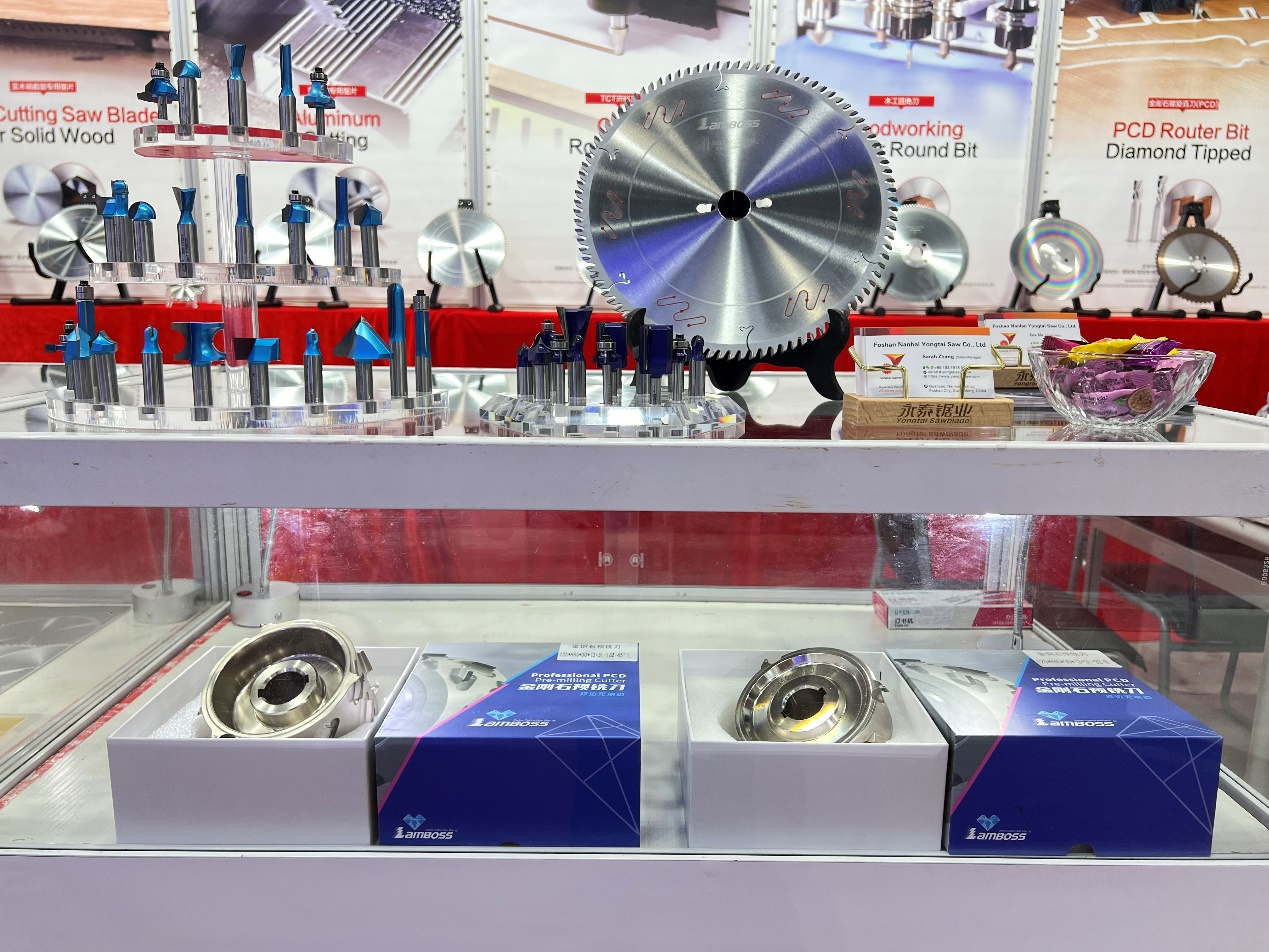
Carbide circular saw blades are essential tools in various industrial applications, renowned for their durability and cutting efficiency. Composed primarily of tungsten carbide, these blades are designed to withstand high temperatures and friction, making them ideal for cutting tough materials such as wood, metal, and plastics.
One of the primary advantages of carbide circular saw blades is their
Carbide circular saw blades are essential tools in various industrial applications, renowned for their durability and cutting efficiency. Composed primarily of tungsten carbide, these blades are designed to withstand high temperatures and friction, making them ideal for cutting tough materials such as wood, metal, and plastics.
One of the primary advantages of carbide circular saw blades is their longevity. Compared to traditional steel blades, carbide blades offer significantly longer life spans, reducing the need for frequent replacements. This durability not only lowers the overall cost of tooling but also minimizes downtime in production environments, allowing for more consistent and efficient workflows.
In terms of design, carbide circular saw blades are available in various configurations tailored for specific cutting needs. For instance, blades with a higher tooth count are better suited for fine cuts, while those with fewer teeth are ideal for faster, rougher cuts. Understanding the specific application and material to be cut is crucial in selecting the right blade. For example, when cutting hardwood, a blade with a higher tooth count will yield smoother edges, while cutting softwood may require a more aggressive tooth pattern.
Another significant factor in the use of carbide circular saw blades is the importance of proper maintenance. Regularly checking the alignment and sharpness of the blade ensures optimal performance and reduces the risk of damage to both the blade and the workpiece. When a blade dulls, it can cause excessive heat buildup, leading to premature wear and the potential for chipping or cracking. It is advisable to have a sharpening schedule based on usage frequency, as maintaining a sharp edge is essential for efficient cutting.
Moreover, understanding the feed rate and cutting speed is crucial when using carbide circular saw blades. An appropriate balance between these variables can influence the quality of the cut and the longevity of the blade. Too fast a feed rate can lead to overheating, while too slow can cause the blade to bind, which can compromise both the blade and the material being cut.
In summary, carbide circular saw blades are a vital component in industrial cutting operations, offering superior performance and durability. By selecting the right blade for your application, maintaining it properly, and understanding the parameters of use, you can significantly enhance your cutting efficiency and extend the life of your tools. Investing in quality carbide circular saw blades ensures that you are equipped with the best tools for your industrial needs, leading to improved productivity and results.
One of the primary advantages of carbide circular saw blades is their longevity. Compared to traditional steel blades, carbide blades offer significantly longer life spans, reducing the need for frequent replacements. This durability not only lowers the overall cost of tooling but also minimizes downtime in production environments, allowing for more consistent and efficient workflows.
In terms of design, carbide circular saw blades are available in various configurations tailored for specific cutting needs. For instance, blades with a higher tooth count are better suited for fine cuts, while those with fewer teeth are ideal for faster, rougher cuts. Understanding the specific application and material to be cut is crucial in selecting the right blade. For example, when cutting hardwood, a blade with a higher tooth count will yield smoother edges, while cutting softwood may require a more aggressive tooth pattern.
Another significant factor in the use of carbide circular saw blades is the importance of proper maintenance. Regularly checking the alignment and sharpness of the blade ensures optimal performance and reduces the risk of damage to both the blade and the workpiece. When a blade dulls, it can cause excessive heat buildup, leading to premature wear and the potential for chipping or cracking. It is advisable to have a sharpening schedule based on usage frequency, as maintaining a sharp edge is essential for efficient cutting.
Moreover, understanding the feed rate and cutting speed is crucial when using carbide circular saw blades. An appropriate balance between these variables can influence the quality of the cut and the longevity of the blade. Too fast a feed rate can lead to overheating, while too slow can cause the blade to bind, which can compromise both the blade and the material being cut.
In summary, carbide circular saw blades are a vital component in industrial cutting operations, offering superior performance and durability. By selecting the right blade for your application, maintaining it properly, and understanding the parameters of use, you can significantly enhance your cutting efficiency and extend the life of your tools. Investing in quality carbide circular saw blades ensures that you are equipped with the best tools for your industrial needs, leading to improved productivity and results.
RELATED INFORMATION


Contact Us
86-18319185093 (same as WeChat)
Foshan Nanhai District Shishan Town Guanyao Village Industrial Development Zone
online message
Filling in your phone and E-mail information will help us to get in touch with you in time and solve your problems as soon as possible.