

-
-
Products

-
Technical Service
-

News
News Information
Understanding Industrial Circular Saw Blades: Essential Insights for Optimal Performance
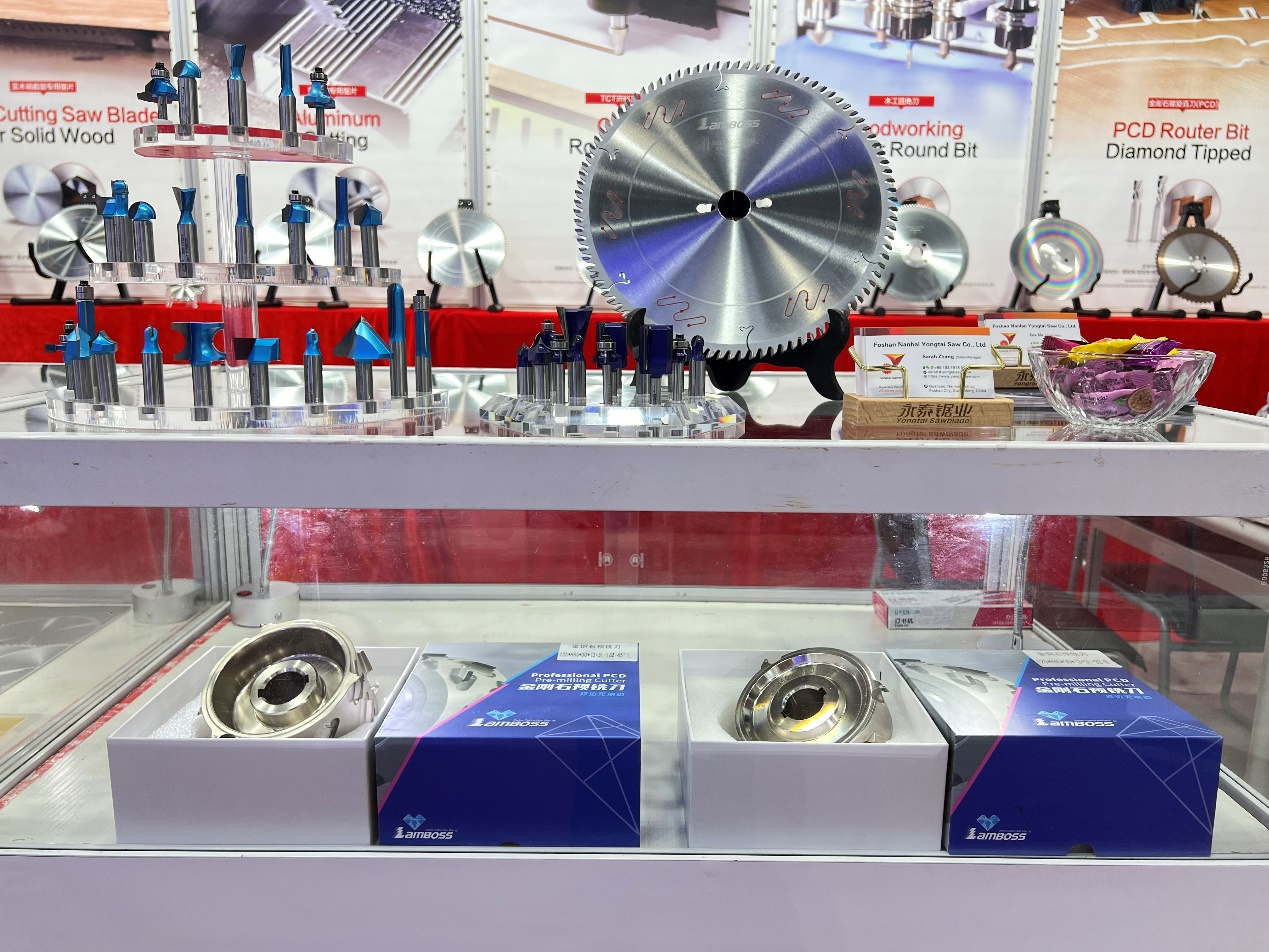
Industrial circular saw blades are indispensable tools in a variety of manufacturing and construction processes. They are designed to cut through materials such as wood, metal, plastic, and composites with precision and efficiency. Understanding the key features and maintenance practices of these blades can help users maximize their performance and lifespan.
The material of an industrial circular
Industrial circular saw blades are indispensable tools in a variety of manufacturing and construction processes. They are designed to cut through materials such as wood, metal, plastic, and composites with precision and efficiency. Understanding the key features and maintenance practices of these blades can help users maximize their performance and lifespan.
The material of an industrial circular saw blade directly affects its cutting capabilities. Blades are typically made from high-speed steel (HSS), carbide-tipped, or even diamond coatings, depending on the application. High-speed steel blades are suitable for softer materials but may wear quickly with harder substances. Carbide-tipped blades, on the other hand, are preferred for their durability and ability to maintain sharpness over time, making them ideal for cutting composites and hardwoods. Diamond blades provide exceptional longevity and are commonly used for cutting concrete and masonry.
One of the critical aspects of using industrial circular saw blades is the selection of the right blade for the specific job. Factors such as the material being cut, the thickness of the material, and the desired finish all play a crucial role in blade selection. For example, when cutting plywood, a blade with fine teeth will reduce tear-out and provide a smoother edge, whereas a blade with larger teeth may be suitable for quicker, rough cuts.
Proper maintenance is essential to ensure the longevity and efficiency of industrial circular saw blades. Regularly inspecting the blade for signs of wear, such as dullness or chipping, is crucial. Dull blades can lead to increased friction, overheating, and potential damage to the workpiece. Blade sharpening, whether performed in-house or outsourced, should be part of a routine maintenance schedule. Additionally, cleaning the blades after use can prevent resin buildup, which can also affect cutting performance.
Another important consideration is the operational speed and feed rate. Each blade has a recommended operating speed, and adhering to this can help prevent overheating and excessive wear. Adjusting the feed rate according to the material and thickness being cut can optimize cutting efficiency and quality. Slower feed rates allow for cleaner cuts but may result in increased wear if not balanced with the appropriate speed.
In conclusion, understanding the intricacies of industrial circular saw blades is essential for those working in manufacturing and construction. By choosing the right blade, maintaining it properly, and adjusting operational parameters, users can enhance cutting performance and achieve better results in their projects. Whether you are a seasoned professional or new to the industry, gaining knowledge about these tools will empower you to make informed decisions and improve your overall efficiency.
The material of an industrial circular saw blade directly affects its cutting capabilities. Blades are typically made from high-speed steel (HSS), carbide-tipped, or even diamond coatings, depending on the application. High-speed steel blades are suitable for softer materials but may wear quickly with harder substances. Carbide-tipped blades, on the other hand, are preferred for their durability and ability to maintain sharpness over time, making them ideal for cutting composites and hardwoods. Diamond blades provide exceptional longevity and are commonly used for cutting concrete and masonry.
One of the critical aspects of using industrial circular saw blades is the selection of the right blade for the specific job. Factors such as the material being cut, the thickness of the material, and the desired finish all play a crucial role in blade selection. For example, when cutting plywood, a blade with fine teeth will reduce tear-out and provide a smoother edge, whereas a blade with larger teeth may be suitable for quicker, rough cuts.
Proper maintenance is essential to ensure the longevity and efficiency of industrial circular saw blades. Regularly inspecting the blade for signs of wear, such as dullness or chipping, is crucial. Dull blades can lead to increased friction, overheating, and potential damage to the workpiece. Blade sharpening, whether performed in-house or outsourced, should be part of a routine maintenance schedule. Additionally, cleaning the blades after use can prevent resin buildup, which can also affect cutting performance.
Another important consideration is the operational speed and feed rate. Each blade has a recommended operating speed, and adhering to this can help prevent overheating and excessive wear. Adjusting the feed rate according to the material and thickness being cut can optimize cutting efficiency and quality. Slower feed rates allow for cleaner cuts but may result in increased wear if not balanced with the appropriate speed.
In conclusion, understanding the intricacies of industrial circular saw blades is essential for those working in manufacturing and construction. By choosing the right blade, maintaining it properly, and adjusting operational parameters, users can enhance cutting performance and achieve better results in their projects. Whether you are a seasoned professional or new to the industry, gaining knowledge about these tools will empower you to make informed decisions and improve your overall efficiency.
RELATED INFORMATION


Contact Us
86-18319185093 (same as WeChat)
Foshan Nanhai District Shishan Town Guanyao Village Industrial Development Zone
online message
Filling in your phone and E-mail information will help us to get in touch with you in time and solve your problems as soon as possible.