

-
-
Products

-
Technical Service
-

News
News Information
Understanding Carbide Circular Saw Blades: The Key to Precision Cutting
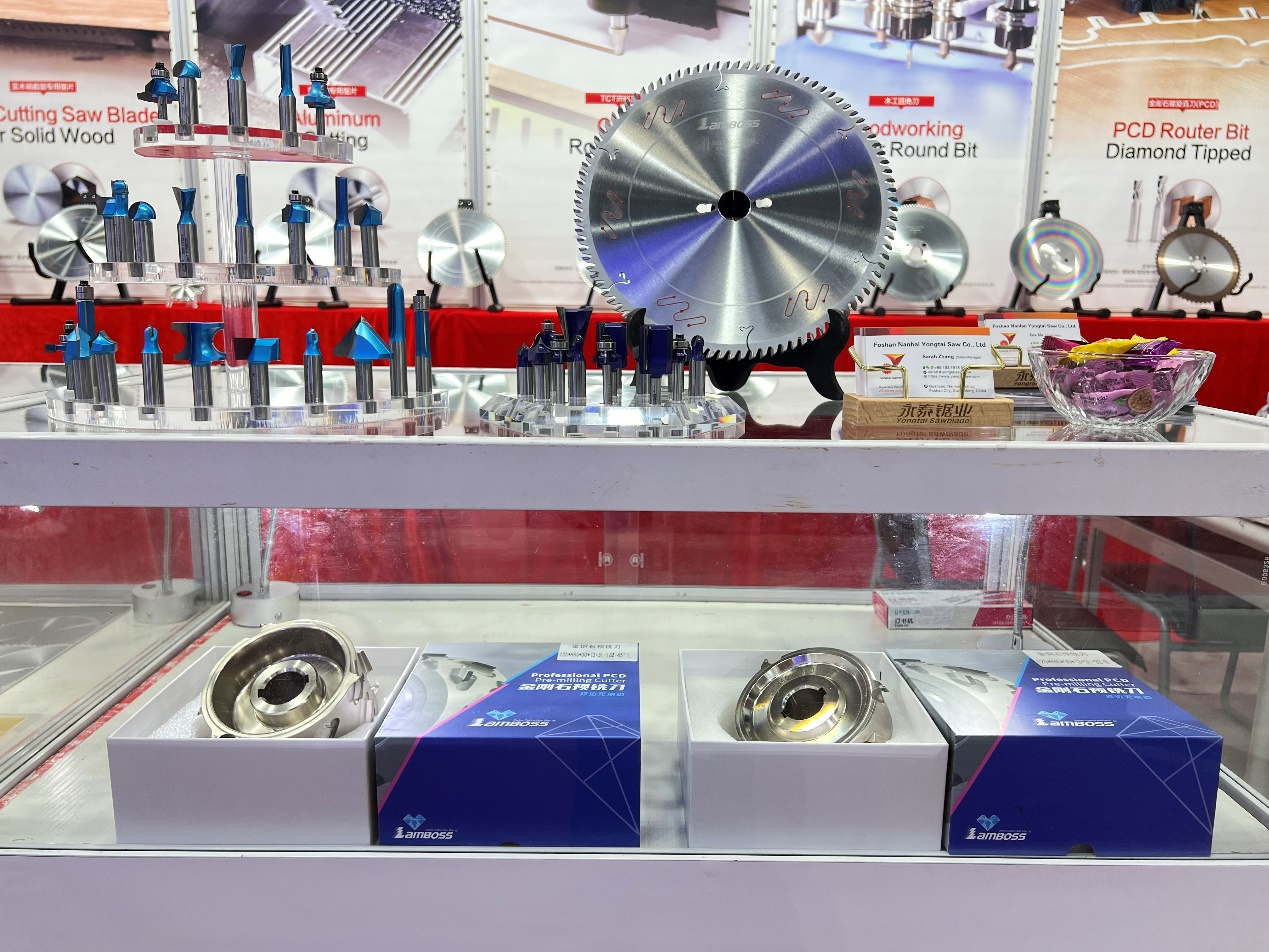
Carbide circular saw blades are invaluable tools widely used in various industrial applications due to their durability and precision. These blades are crafted with tungsten carbide, a material known for its exceptional hardness and wear resistance. This makes carbide blades ideal for cutting through tough materials like hardwood, metal, and composite materials, providing clean, precise cuts that
Carbide circular saw blades are invaluable tools widely used in various industrial applications due to their durability and precision. These blades are crafted with tungsten carbide, a material known for its exceptional hardness and wear resistance. This makes carbide blades ideal for cutting through tough materials like hardwood, metal, and composite materials, providing clean, precise cuts that enhance production efficiency.
One of the standout features of carbide circular saw blades is their extended lifespan compared to standard steel blades. While traditional blades may dull quickly, carbide blades maintain their sharpness longer, reducing the frequency of replacements and downtime in manufacturing processes. This durability is particularly beneficial in high-volume cutting operations where efficiency is paramount.
The design of carbide circular saw blades also plays a crucial role in their performance. These blades come in various tooth configurations, each suited for specific cutting tasks. For example, blades with fewer teeth are ideal for ripping applications, providing faster cuts, while those with more teeth are better for cross-cutting, resulting in smoother finishes. Understanding the right tooth configuration for your specific needs can significantly impact your cutting results.
Moreover, the application of carbide circular saw blades extends beyond just wood cutting. They are widely utilized in metalworking, where precision is critical. In this context, selecting the appropriate blade type is essential to avoid overheating or damaging the material being cut. Additionally, carbide blades can be used in conjunction with various cutting machines, including table saws and miter saws, providing versatility in any workshop.
Maintaining carbide circular saw blades is essential to prolong their lifespan and ensure optimal performance. Regular cleaning to remove pitch and resin buildup, as well as periodic sharpening, can keep the blades performing at their best. Many users opt to have their blades professionally sharpened, as this can restore the blade to its original cutting efficiency without the need for replacement.
In conclusion, carbide circular saw blades are a vital component in the industrial equipment sector, particularly in the tools and fixtures category. Their durability, precision, and versatility make them a preferred choice for a variety of cutting applications. By understanding their features, applications, and maintenance tips, users can maximize the efficacy of these tools, ultimately leading to enhanced productivity and cost savings in their cutting operations. Whether you're in woodworking, metalworking, or any other field that requires precision cutting, investing in quality carbide circular saw blades can significantly elevate your work quality.
One of the standout features of carbide circular saw blades is their extended lifespan compared to standard steel blades. While traditional blades may dull quickly, carbide blades maintain their sharpness longer, reducing the frequency of replacements and downtime in manufacturing processes. This durability is particularly beneficial in high-volume cutting operations where efficiency is paramount.
The design of carbide circular saw blades also plays a crucial role in their performance. These blades come in various tooth configurations, each suited for specific cutting tasks. For example, blades with fewer teeth are ideal for ripping applications, providing faster cuts, while those with more teeth are better for cross-cutting, resulting in smoother finishes. Understanding the right tooth configuration for your specific needs can significantly impact your cutting results.
Moreover, the application of carbide circular saw blades extends beyond just wood cutting. They are widely utilized in metalworking, where precision is critical. In this context, selecting the appropriate blade type is essential to avoid overheating or damaging the material being cut. Additionally, carbide blades can be used in conjunction with various cutting machines, including table saws and miter saws, providing versatility in any workshop.
Maintaining carbide circular saw blades is essential to prolong their lifespan and ensure optimal performance. Regular cleaning to remove pitch and resin buildup, as well as periodic sharpening, can keep the blades performing at their best. Many users opt to have their blades professionally sharpened, as this can restore the blade to its original cutting efficiency without the need for replacement.
In conclusion, carbide circular saw blades are a vital component in the industrial equipment sector, particularly in the tools and fixtures category. Their durability, precision, and versatility make them a preferred choice for a variety of cutting applications. By understanding their features, applications, and maintenance tips, users can maximize the efficacy of these tools, ultimately leading to enhanced productivity and cost savings in their cutting operations. Whether you're in woodworking, metalworking, or any other field that requires precision cutting, investing in quality carbide circular saw blades can significantly elevate your work quality.
RELATED INFORMATION


Contact Us
86-18319185093 (same as WeChat)
Foshan Nanhai District Shishan Town Guanyao Village Industrial Development Zone
online message
Filling in your phone and E-mail information will help us to get in touch with you in time and solve your problems as soon as possible.