

-
-
Products

-
Technical Service
-

News
News Information
Understanding Carbide Circular Saw Blades: Essential Insights for Industrial Professionals
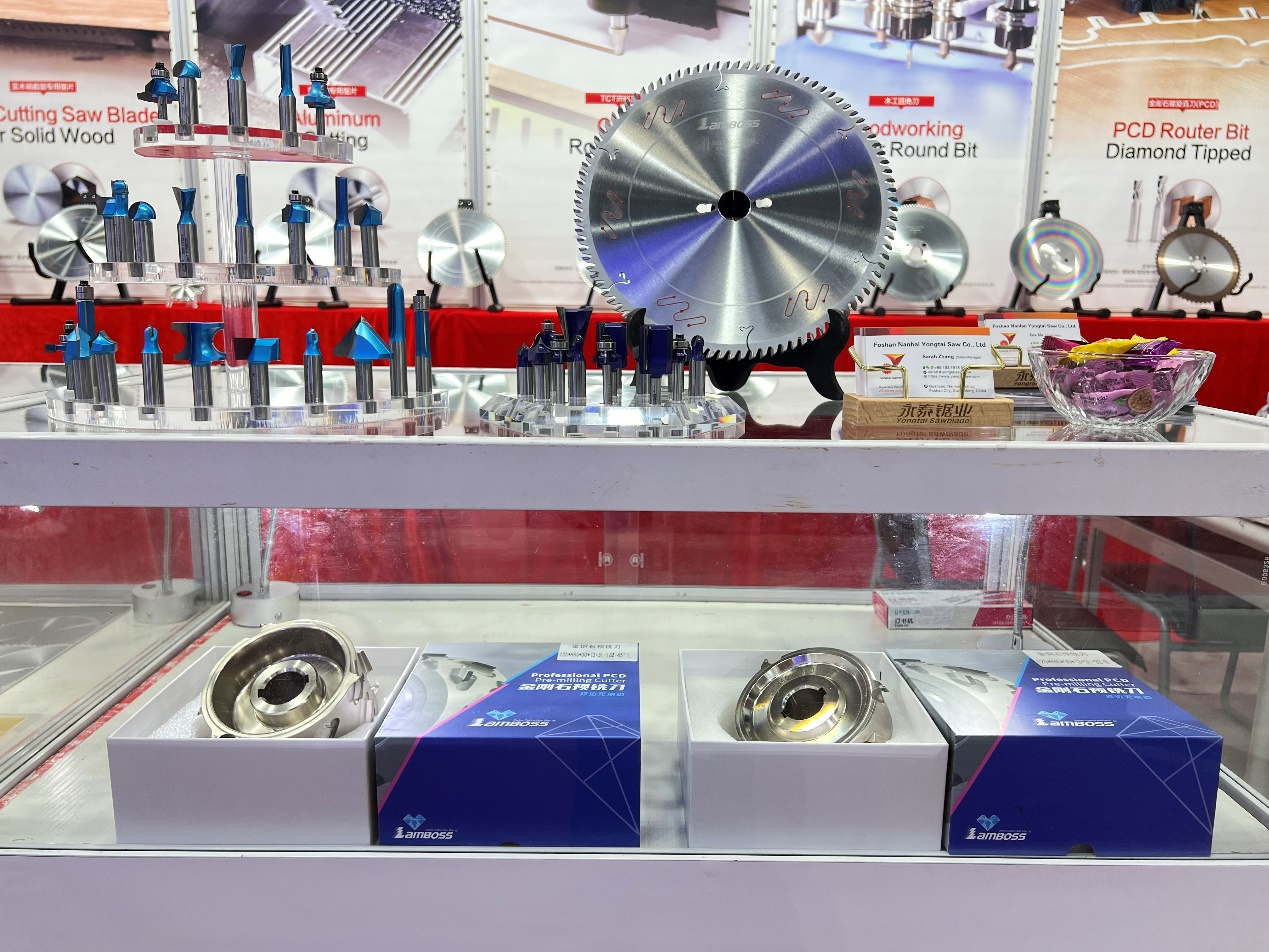
Carbide circular saw blades are essential tools in the industrial sector, particularly in metalworking and woodworking applications. These blades are renowned for their durability and performance, primarily due to the properties of carbide, a compound made from carbon and tungsten. Carbide is known for its exceptional hardness and wear resistance, making it an ideal material for cutting tools that
Carbide circular saw blades are essential tools in the industrial sector, particularly in metalworking and woodworking applications. These blades are renowned for their durability and performance, primarily due to the properties of carbide, a compound made from carbon and tungsten. Carbide is known for its exceptional hardness and wear resistance, making it an ideal material for cutting tools that face high levels of friction and impact during operations.
One of the significant advantages of carbide circular saw blades is their longevity compared to traditional high-speed steel (HSS) blades. The hardness of carbide allows these blades to maintain their sharpness over extended periods, leading to less frequent replacements and reduced operational downtime. This characteristic is particularly beneficial in high-volume production environments where efficiency and precision are paramount.
When selecting a carbide circular saw blade, professionals should consider the type of material they will be cutting. Carbide blades are available in various tooth configurations, each designed for specific tasks. For instance, blades with more teeth provide smoother cuts, making them ideal for cutting thin materials or achieving precise finishes. Conversely, blades with fewer teeth are better suited for cutting thicker materials more quickly but may leave a rougher edge.
Another essential factor to consider is the blade's diameter and thickness. Larger diameter blades tend to have a higher cutting capacity and are preferred for larger workpieces, while thinner blades can reduce material waste and are often used for detailed or intricate cuts. Additionally, the kerf (the width of the cut made by the blade) is a crucial specification since it impacts both the material usage and the overall finish of the cut.
Another important aspect of using carbide circular saw blades is understanding the proper operating speeds. Each blade has a designated optimal RPM (revolutions per minute) that should not be exceeded to prevent overheating and premature blade wear. Adhering to these specifications can greatly enhance the blade's lifespan and cutting performance.
In conclusion, carbide circular saw blades are invaluable tools in the industrial equipment sector, providing robust performance and long-lasting efficiency. By carefully selecting the right blade based on material type, tooth configuration, and operational parameters, professionals can optimize their cutting processes and achieve superior results. Understanding the unique properties and applications of carbide blades will equip users with the knowledge necessary to enhance productivity and maintain high standards in their cutting operations.
One of the significant advantages of carbide circular saw blades is their longevity compared to traditional high-speed steel (HSS) blades. The hardness of carbide allows these blades to maintain their sharpness over extended periods, leading to less frequent replacements and reduced operational downtime. This characteristic is particularly beneficial in high-volume production environments where efficiency and precision are paramount.
When selecting a carbide circular saw blade, professionals should consider the type of material they will be cutting. Carbide blades are available in various tooth configurations, each designed for specific tasks. For instance, blades with more teeth provide smoother cuts, making them ideal for cutting thin materials or achieving precise finishes. Conversely, blades with fewer teeth are better suited for cutting thicker materials more quickly but may leave a rougher edge.
Another essential factor to consider is the blade's diameter and thickness. Larger diameter blades tend to have a higher cutting capacity and are preferred for larger workpieces, while thinner blades can reduce material waste and are often used for detailed or intricate cuts. Additionally, the kerf (the width of the cut made by the blade) is a crucial specification since it impacts both the material usage and the overall finish of the cut.
Another important aspect of using carbide circular saw blades is understanding the proper operating speeds. Each blade has a designated optimal RPM (revolutions per minute) that should not be exceeded to prevent overheating and premature blade wear. Adhering to these specifications can greatly enhance the blade's lifespan and cutting performance.
In conclusion, carbide circular saw blades are invaluable tools in the industrial equipment sector, providing robust performance and long-lasting efficiency. By carefully selecting the right blade based on material type, tooth configuration, and operational parameters, professionals can optimize their cutting processes and achieve superior results. Understanding the unique properties and applications of carbide blades will equip users with the knowledge necessary to enhance productivity and maintain high standards in their cutting operations.
RELATED INFORMATION


Contact Us
86-18319185093 (same as WeChat)
Foshan Nanhai District Shishan Town Guanyao Village Industrial Development Zone
online message
Filling in your phone and E-mail information will help us to get in touch with you in time and solve your problems as soon as possible.