

-
-
Products

-
Technical Service
-

News
News Information
Maximizing Efficiency with Industrial Circular Saw Blades: A Comprehensive Guide
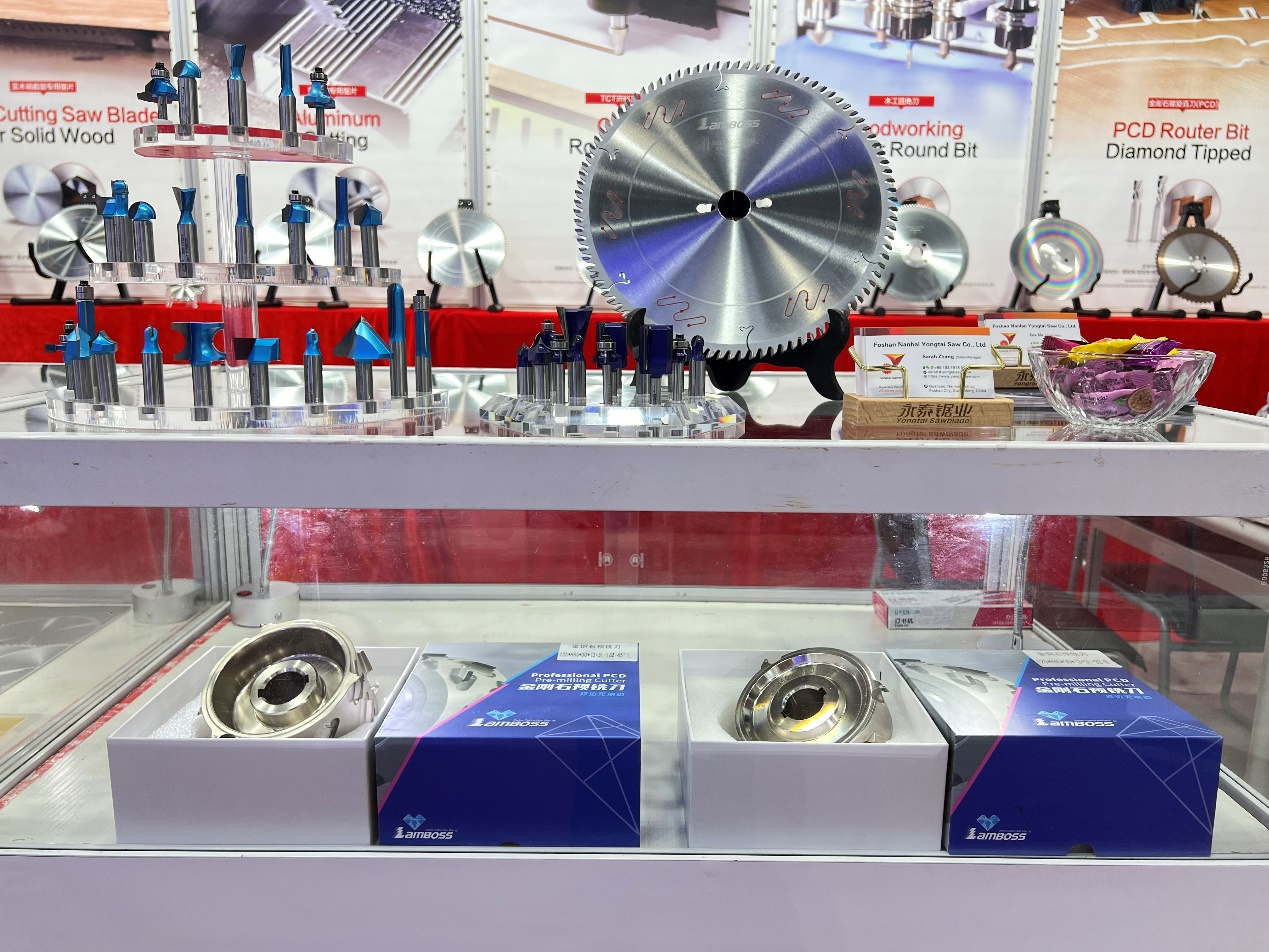
Industrial circular saw blades are vital tools in various manufacturing and construction processes, engineered to deliver precision and efficiency in cutting a wide range of materials. Understanding the nuances of these blades can significantly enhance productivity and operational outcomes.
When selecting an industrial circular saw blade, one must consider the type of material it will cut. Common
Industrial circular saw blades are vital tools in various manufacturing and construction processes, engineered to deliver precision and efficiency in cutting a wide range of materials. Understanding the nuances of these blades can significantly enhance productivity and operational outcomes.
When selecting an industrial circular saw blade, one must consider the type of material it will cut. Common materials include wood, metal, plastic, and composite materials. Different blades are designed specifically for these materials, featuring unique tooth geometries and carbide tips that optimize cutting performance. For instance, blades intended for metal cutting often have fewer teeth and a finer pitch, allowing for smoother cuts and reduced friction.
The construction of the saw blade also plays a critical role in its performance. Most industrial circular saw blades are made from high-speed steel (HSS) or carbide-tipped materials. HSS blades are known for their toughness and ability to maintain sharpness over time, making them suitable for general-purpose applications. In contrast, carbide-tipped blades provide enhanced durability and cutting speed, making them ideal for heavy-duty tasks and harder materials.
Another important aspect is the blade's diameter and thickness. Larger blades can make deeper cuts, while thinner blades often reduce material waste and offer finer cuts. Additionally, the choice between a full kerf blade and a thin kerf blade can affect the efficiency of the cutting process. A full kerf blade provides a wider cut but may require more power, whereas a thin kerf blade minimizes waste and is suitable for less powerful saws.
Maintaining industrial circular saw blades is crucial for optimal performance. Regular cleaning and proper storage can prolong the life of the blades. After use, it's essential to remove any resin or debris that may accumulate on the blade to prevent corrosion and deterioration. Furthermore, periodic sharpening is necessary to maintain cutting efficiency; dull blades not only hinder performance but can also lead to increased wear on the saw machine and potential safety hazards.
In summary, industrial circular saw blades are a cornerstone of efficiency in cutting operations across various industries. By understanding the different types, materials, and maintenance requirements, you can select the right blade for your specific needs, ensuring that your operations run smoothly and effectively. Whether you are involved in woodworking, metalworking, or working with composites, the right industrial circular saw blade will make all the difference in achieving optimal results.
When selecting an industrial circular saw blade, one must consider the type of material it will cut. Common materials include wood, metal, plastic, and composite materials. Different blades are designed specifically for these materials, featuring unique tooth geometries and carbide tips that optimize cutting performance. For instance, blades intended for metal cutting often have fewer teeth and a finer pitch, allowing for smoother cuts and reduced friction.
The construction of the saw blade also plays a critical role in its performance. Most industrial circular saw blades are made from high-speed steel (HSS) or carbide-tipped materials. HSS blades are known for their toughness and ability to maintain sharpness over time, making them suitable for general-purpose applications. In contrast, carbide-tipped blades provide enhanced durability and cutting speed, making them ideal for heavy-duty tasks and harder materials.
Another important aspect is the blade's diameter and thickness. Larger blades can make deeper cuts, while thinner blades often reduce material waste and offer finer cuts. Additionally, the choice between a full kerf blade and a thin kerf blade can affect the efficiency of the cutting process. A full kerf blade provides a wider cut but may require more power, whereas a thin kerf blade minimizes waste and is suitable for less powerful saws.
Maintaining industrial circular saw blades is crucial for optimal performance. Regular cleaning and proper storage can prolong the life of the blades. After use, it's essential to remove any resin or debris that may accumulate on the blade to prevent corrosion and deterioration. Furthermore, periodic sharpening is necessary to maintain cutting efficiency; dull blades not only hinder performance but can also lead to increased wear on the saw machine and potential safety hazards.
In summary, industrial circular saw blades are a cornerstone of efficiency in cutting operations across various industries. By understanding the different types, materials, and maintenance requirements, you can select the right blade for your specific needs, ensuring that your operations run smoothly and effectively. Whether you are involved in woodworking, metalworking, or working with composites, the right industrial circular saw blade will make all the difference in achieving optimal results.
RELATED INFORMATION


Contact Us
86-18319185093 (same as WeChat)
Foshan Nanhai District Shishan Town Guanyao Village Industrial Development Zone
online message
Filling in your phone and E-mail information will help us to get in touch with you in time and solve your problems as soon as possible.