

-
-
Products

-
Technical Service
-

News
News Information
The Essential Guide to Pre-Milling Cutters: Optimizing Your Cutting Process
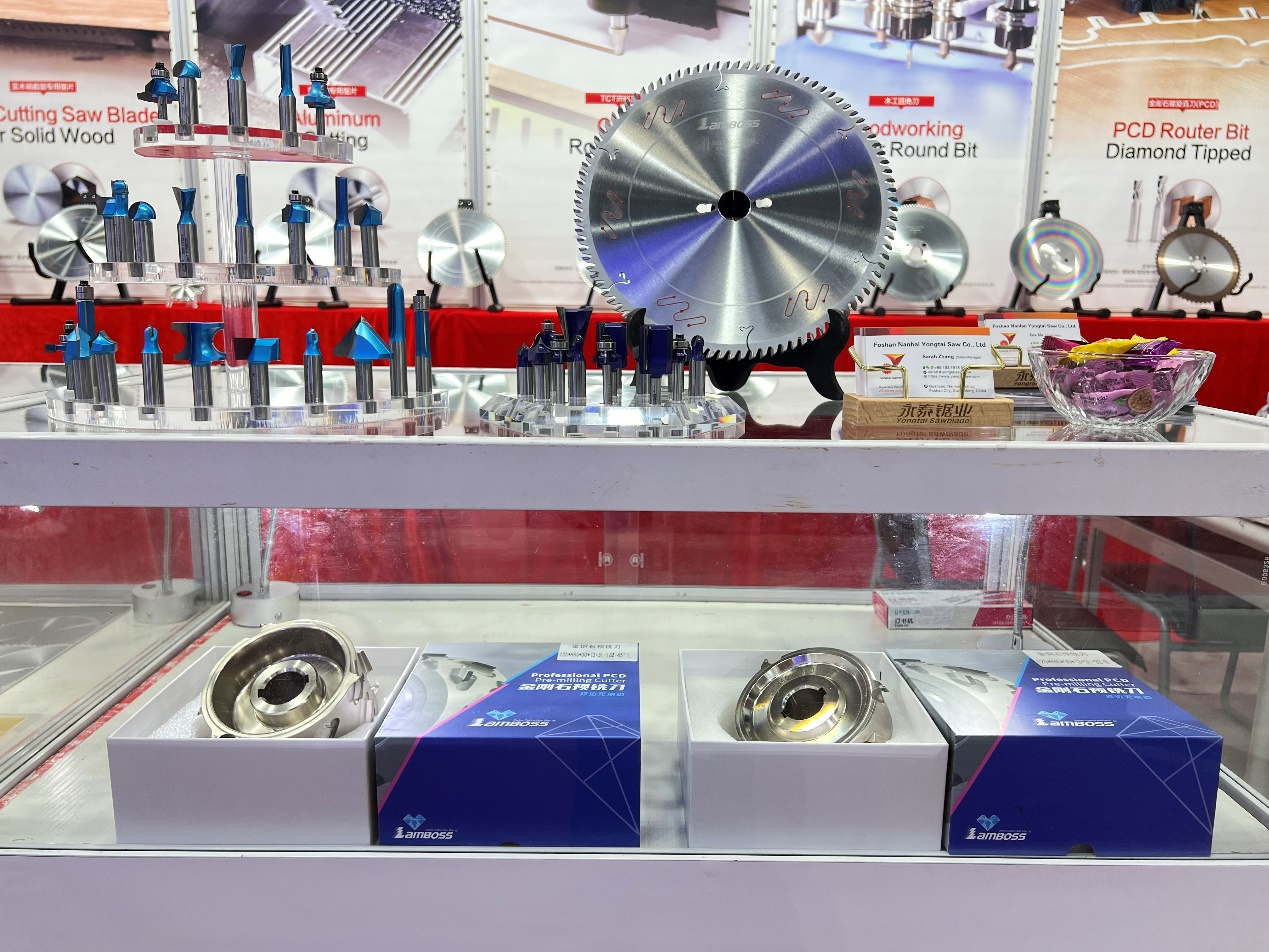
Pre-milling cutters are an essential tool in the machining industry, primarily used to prepare materials for further processing. These cutters ensure that the workpiece is adequately prepped for the next stages of cutting, grinding, or finishing. Understanding the role of pre-milling cutters can significantly impact efficiency, precision, and overall productivity in your operations.
One of the pri
Pre-milling cutters are an essential tool in the machining industry, primarily used to prepare materials for further processing. These cutters ensure that the workpiece is adequately prepped for the next stages of cutting, grinding, or finishing. Understanding the role of pre-milling cutters can significantly impact efficiency, precision, and overall productivity in your operations.
One of the primary functions of pre-milling cutters is to create a flat surface on the workpiece, which is crucial for subsequent machining operations. When materials are not uniformly flat, it can lead to inaccuracies in the final product. Pre-milling cutters effectively remove any irregularities, allowing for a smoother and more precise machining experience. This is particularly important when working with materials such as wood, metal, or composites, where surface quality can greatly influence the finished outcome.
Additionally, pre-milling cutters are designed with specific geometries and materials that cater to different machining needs. For instance, carbide-tipped pre-milling cutters are known for their durability and ability to maintain sharpness over extended periods. This resilience translates into longer tool life and reduced downtime, which are critical factors in maintaining a competitive edge in manufacturing.
Another benefit of using pre-milling cutters lies in their versatility. They can be used in various applications, from creating intricate designs in woodworking to preparing metal components for assembly. This adaptability makes them a valuable addition to any workshop or production facility.
Furthermore, employing pre-milling cutters can lead to significant cost savings. By ensuring that materials are properly prepared before further processing, businesses can minimize waste and reduce the likelihood of rework. This aspect not only enhances productivity but also contributes to more sustainable manufacturing practices.
When selecting a pre-milling cutter, it is essential to consider the specific requirements of your project. Factors such as the material being cut, the desired finish, and the scale of production should guide your choice. Proper selection and use of pre-milling cutters can lead to improved quality control and better overall performance in your machining operations.
In conclusion, pre-milling cutters play a vital role in the industrial tooling sector, offering numerous advantages that enhance the cutting process. By investing in the right pre-milling cutter for your needs, you can optimize your workflow, improve product quality, and achieve greater efficiency in your operations. Understanding their functionality and applications will empower you to make informed decisions that can positively impact your business's bottom line.
One of the primary functions of pre-milling cutters is to create a flat surface on the workpiece, which is crucial for subsequent machining operations. When materials are not uniformly flat, it can lead to inaccuracies in the final product. Pre-milling cutters effectively remove any irregularities, allowing for a smoother and more precise machining experience. This is particularly important when working with materials such as wood, metal, or composites, where surface quality can greatly influence the finished outcome.
Additionally, pre-milling cutters are designed with specific geometries and materials that cater to different machining needs. For instance, carbide-tipped pre-milling cutters are known for their durability and ability to maintain sharpness over extended periods. This resilience translates into longer tool life and reduced downtime, which are critical factors in maintaining a competitive edge in manufacturing.
Another benefit of using pre-milling cutters lies in their versatility. They can be used in various applications, from creating intricate designs in woodworking to preparing metal components for assembly. This adaptability makes them a valuable addition to any workshop or production facility.
Furthermore, employing pre-milling cutters can lead to significant cost savings. By ensuring that materials are properly prepared before further processing, businesses can minimize waste and reduce the likelihood of rework. This aspect not only enhances productivity but also contributes to more sustainable manufacturing practices.
When selecting a pre-milling cutter, it is essential to consider the specific requirements of your project. Factors such as the material being cut, the desired finish, and the scale of production should guide your choice. Proper selection and use of pre-milling cutters can lead to improved quality control and better overall performance in your machining operations.
In conclusion, pre-milling cutters play a vital role in the industrial tooling sector, offering numerous advantages that enhance the cutting process. By investing in the right pre-milling cutter for your needs, you can optimize your workflow, improve product quality, and achieve greater efficiency in your operations. Understanding their functionality and applications will empower you to make informed decisions that can positively impact your business's bottom line.
RELATED INFORMATION
Contact Us
86-18319185093 (same as WeChat)
Foshan Nanhai District Shishan Town Guanyao Village Industrial Development Zone
online message
Filling in your phone and E-mail information will help us to get in touch with you in time and solve your problems as soon as possible.