

-
-
Products

-
Technical Service
-

News
News Information
Essential Insights into Carbide Circular Saw Blades for Industrial Applications
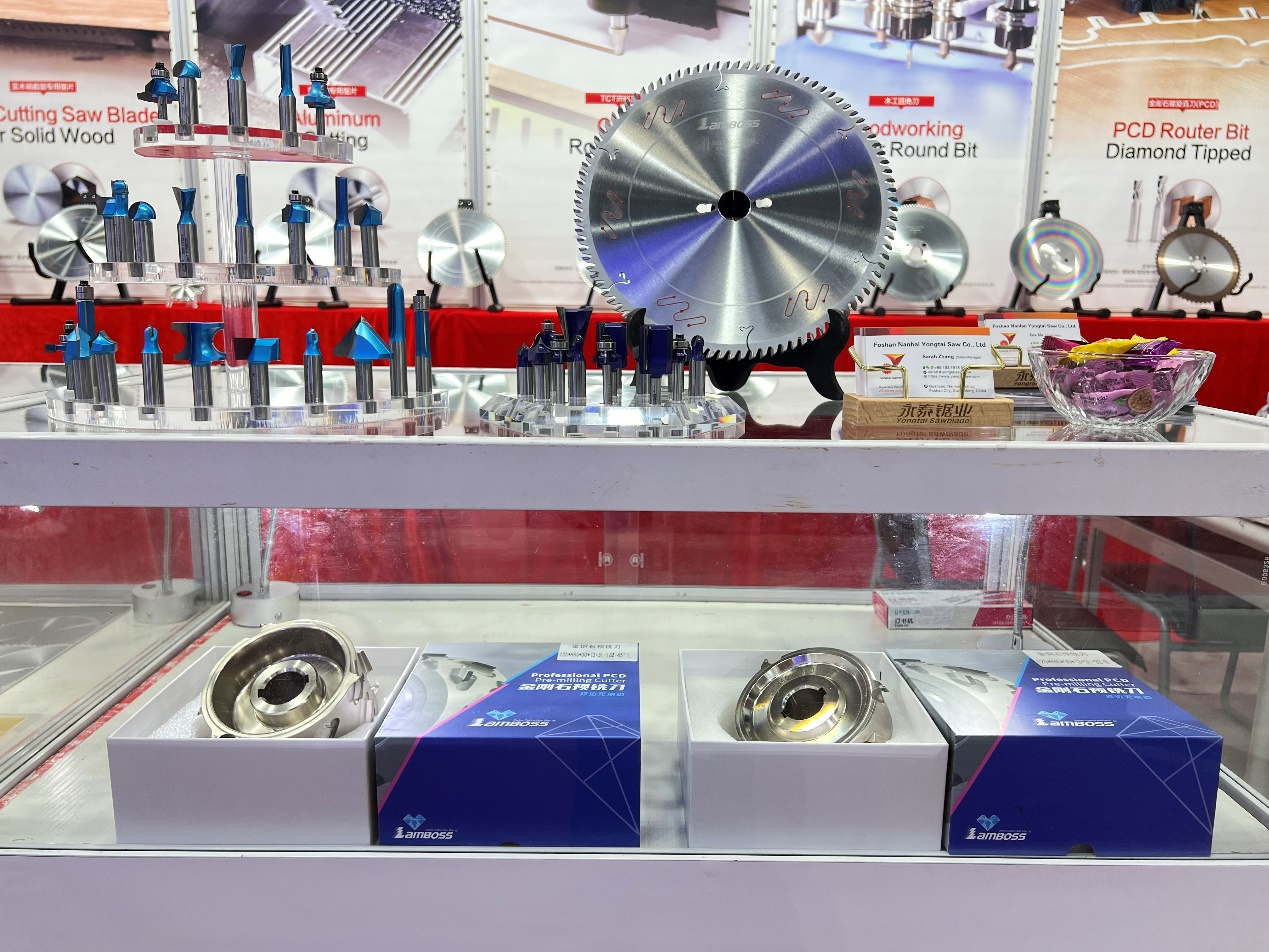
Carbide circular saw blades are an essential component in the industrial tools and fixtures sector, particularly in applications that require precision and durability. Made from high-performance carbide materials, these blades are engineered to cut through a variety of materials, including wood, metal, and plastic, making them versatile tools in manufacturing and construction environments.
One of
Carbide circular saw blades are an essential component in the industrial tools and fixtures sector, particularly in applications that require precision and durability. Made from high-performance carbide materials, these blades are engineered to cut through a variety of materials, including wood, metal, and plastic, making them versatile tools in manufacturing and construction environments.
One of the primary advantages of carbide circular saw blades is their superior hardness and wear resistance. The carbide construction allows these blades to maintain sharp edges for extended periods, significantly reducing the frequency of replacements. This characteristic is particularly beneficial in high-volume cutting operations, where downtime can be costly.
When selecting a carbide circular saw blade, it is important to consider the specific applications and types of materials you will be cutting. Different blades are designed for various purposes, such as ripping, cross-cutting, or trimming. For instance, blades with fewer teeth are generally suited for cutting thicker materials, while those with more teeth provide a smoother finish on thinner materials. Furthermore, the blade diameter and thickness can influence the cutting depth and speed, so understanding these factors is crucial for optimal performance.
Another significant aspect to consider is the blade's geometry. The hook angle, tooth shape, and grind can all affect how the blade interacts with the material being cut. A positive hook angle, for instance, facilitates faster cutting, whereas a negative hook angle may enhance stability in difficult cutting scenarios. Choosing the correct blade geometry can lead to improved cutting efficiency and reduced strain on the equipment.
In addition to performance, maintenance plays a key role in extending the life of carbide circular saw blades. Regular cleaning and proper storage can prevent the buildup of resin and debris, which can hinder performance. It's also advisable to periodically check for dullness or damage. Resharpening blades instead of replacing them can be a cost-effective strategy for companies looking to maintain their equipment without incurring significant expenses.
In conclusion, carbide circular saw blades are a versatile and durable choice for a range of industrial applications. By understanding the characteristics that tailor these blades to specific tasks, professionals can optimize their cutting processes, enhance productivity, and achieve better results in their projects. Whether you are engaged in woodworking, metalworking, or plastics fabrication, investing time in selecting the right carbide circular saw blade will yield long-term benefits in both efficiency and quality.
One of the primary advantages of carbide circular saw blades is their superior hardness and wear resistance. The carbide construction allows these blades to maintain sharp edges for extended periods, significantly reducing the frequency of replacements. This characteristic is particularly beneficial in high-volume cutting operations, where downtime can be costly.
When selecting a carbide circular saw blade, it is important to consider the specific applications and types of materials you will be cutting. Different blades are designed for various purposes, such as ripping, cross-cutting, or trimming. For instance, blades with fewer teeth are generally suited for cutting thicker materials, while those with more teeth provide a smoother finish on thinner materials. Furthermore, the blade diameter and thickness can influence the cutting depth and speed, so understanding these factors is crucial for optimal performance.
Another significant aspect to consider is the blade's geometry. The hook angle, tooth shape, and grind can all affect how the blade interacts with the material being cut. A positive hook angle, for instance, facilitates faster cutting, whereas a negative hook angle may enhance stability in difficult cutting scenarios. Choosing the correct blade geometry can lead to improved cutting efficiency and reduced strain on the equipment.
In addition to performance, maintenance plays a key role in extending the life of carbide circular saw blades. Regular cleaning and proper storage can prevent the buildup of resin and debris, which can hinder performance. It's also advisable to periodically check for dullness or damage. Resharpening blades instead of replacing them can be a cost-effective strategy for companies looking to maintain their equipment without incurring significant expenses.
In conclusion, carbide circular saw blades are a versatile and durable choice for a range of industrial applications. By understanding the characteristics that tailor these blades to specific tasks, professionals can optimize their cutting processes, enhance productivity, and achieve better results in their projects. Whether you are engaged in woodworking, metalworking, or plastics fabrication, investing time in selecting the right carbide circular saw blade will yield long-term benefits in both efficiency and quality.
RELATED INFORMATION

Contact Us
86-18319185093 (same as WeChat)
Foshan Nanhai District Shishan Town Guanyao Village Industrial Development Zone
online message
Filling in your phone and E-mail information will help us to get in touch with you in time and solve your problems as soon as possible.