

-
-
Products

-
Technical Service
-

News
News Information
Mastering Your Projects: Best Practices for CNC Router 3018 Bits
Mastering Your Projects: Best Practices for CNC Router 3018 Bits
Table of Contents
- Understanding CNC Router Bits
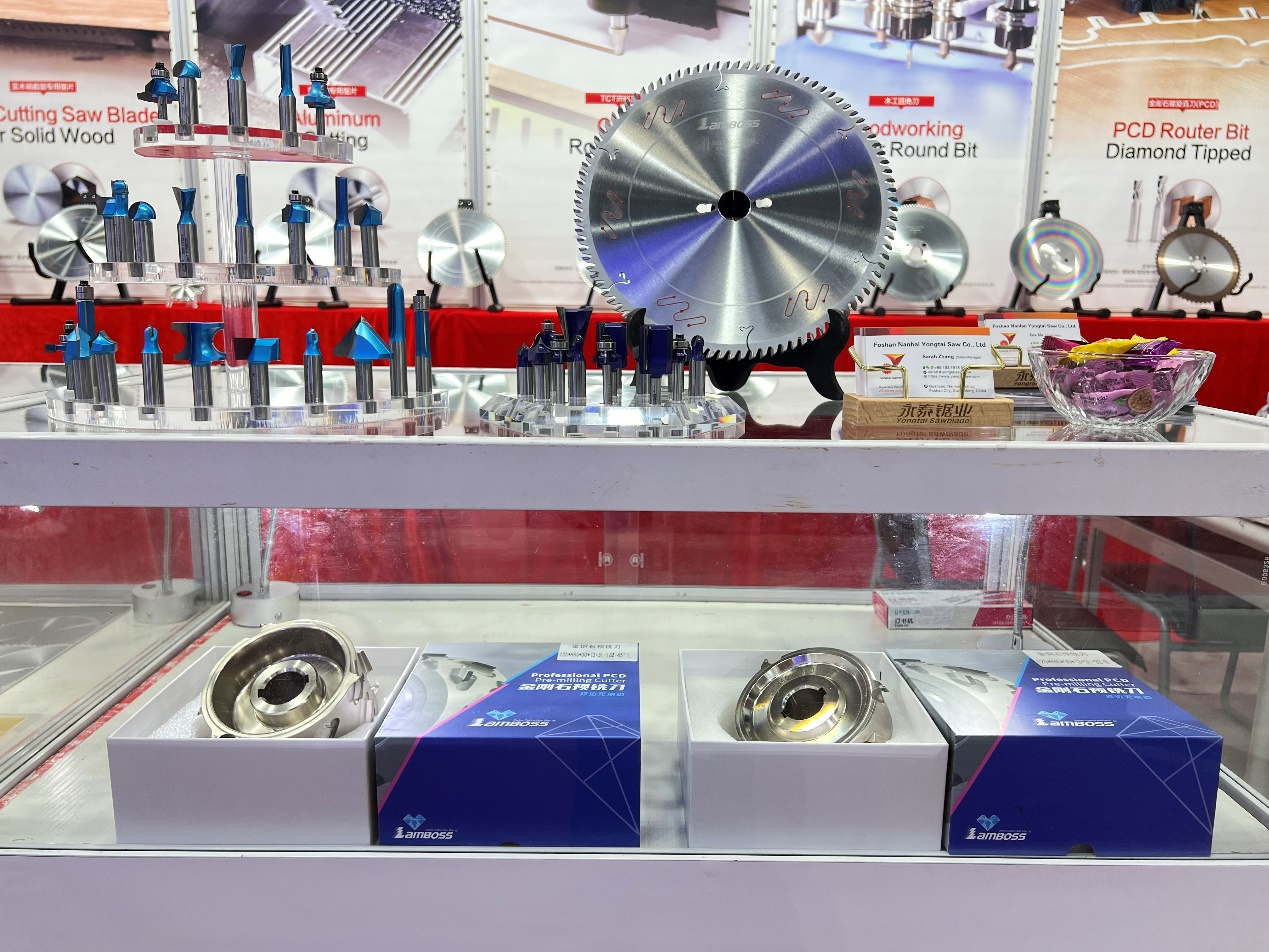
- Types of Bits for CNC Router 3018
- Selecting the Right Bit for Your Project
- Best Practices for Using CNC Router Bits
- Caring for Your CNC Router Bits
- Troubleshooting Common Issues with CNC Bits
- Advanced Techniques for CNC Routing
- Conclusion
- FAQs
Understanding CNC Router Bits
CNC Router bits are essential tools that dictate the quality and precision of your machining projects. Understanding their design and functionality is crucial. These bits operate by removing material from a workpiece through rotational cutting. The effectiveness of a CNC Router bit is determined by its geometry, material, and coating.
**Key Characteristics of CNC Router Bits:**
- **Material:** Bits are commonly made from high-speed steel (HSS), carbide, or cobalt. Each material has unique attributes that affect durability and cutting performance.
- **Geometry:** The shape of the bit, including its flutes, cutting edge, and tip, influences how it interacts with the material.
- **Coating:** Some bits feature coatings such as titanium, which reduce friction and heat, extending the tool’s lifespan.
Understanding these factors will help you select the appropriate bits for various materials and applications.
Types of Bits for CNC Router 3018
Choosing the right type of bit is paramount for achieving the desired results. Here are the most commonly used bits with a CNC Router 3018:
1. Straight Bits
Straight bits are versatile and ideal for making grooves and flat-bottom cuts. They come in various diameters and are perfect for sign making and engraving.
2. Spiral Bits
Spiral bits, available in up-cut and down-cut variations, allow for smoother cutting and better chip removal. They are excellent for working with softer materials like wood.
3. V-Bits
V-bits are perfect for engraving and creating intricate designs. Their pointed tips allow for detailed carvings and are often used in sign making.
4. Ball Nose Bits
Ball nose bits are ideal for 3D contouring applications. Their rounded ends allow for smooth curves and shapes, making them suitable for sculpting and modeling.
5. Specialty Bits
Specialty bits like corner rounding and rabbeting bits are designed for specific applications. They can be beneficial for more complex projects requiring unique profiles.
Each type of bit has its strengths and is suited for specific materials and cutting tasks. Understanding these differences will enable you to make informed decisions.
Selecting the Right Bit for Your Project
Selecting the right bit can make or break your project. Here are some best practices to guide your choice:
1. Consider the Material
Different materials require specific types of bits. For instance, aluminum may necessitate a different bit compared to hardwood. Always match the bit type to the material for optimal results.
2. Evaluate Project Requirements
Assess the complexity of your project. If you’re engraving intricate designs, opt for V-bits. For straight cuts, choose straight or spiral bits.
3. Determine the Depth of Cut
Understanding the depth of cut is vital. Deeper cuts require bits designed for that purpose to prevent breakage and ensure precision.
4. Analyze Your CNC Router’s Capabilities
Ensure your selected bits are compatible with the specifications of your CNC Router 3018, including spindle speed and power capacity.
Choosing the right bit involves a combination of understanding material properties, project needs, and machine capability. Taking these factors into account leads to more satisfying results.
Best Practices for Using CNC Router Bits
To maximize the performance and longevity of your CNC Router bits, implement the following best practices:
1. Proper Setup
Before starting a project, ensure that your CNC Router is correctly calibrated. This includes checking the alignment, spindle speed, and depth of cut settings.
2. Optimal Feed Rate and Speed
Adjust the feed rate and spindle speed according to the material being cut. A slower feed rate may be necessary for harder materials to prevent bit wear.
3. Use the Right Cutting Strategy
Consider using climb milling for a cleaner finish. This method allows the bit to cut with the grain, reducing the risk of tearing.
4. Monitor Tool Wear
Regularly inspect your bits for signs of wear or damage. Dull bits can lead to poor cutting results and may overwork the router, causing further issues.
5. Maintain Cleanliness
Keep your workspace and tools clean. Dust and debris can affect cutting precision and damage bits over time.
Implementing these best practices will enhance the quality of your work while extending the lifespan of your tools.
Caring for Your CNC Router Bits
Proper care is essential for maintaining the efficiency and durability of your CNC Router bits. Here are some effective care strategies:
1. Cleaning after Each Use
After each project, clean your bits using a soft brush or cloth to remove accumulated debris. For stubborn residue, soak the bits in a cleaning solution designed for tools.
2. Safe Storage
Store your bits in a protective case or dedicated storage solution to prevent damage. Using foam inserts can further protect delicate cutting edges.
3. Regular Sharpening
Keep your bits sharp to maintain cutting performance. There are specialized sharpening tools available for different bit types, or you can seek professional sharpening services.
4. Avoiding Overexertion
Do not push your bits beyond their limits. Understand the operational specifications and avoid excessive cutting depths or speeds.
Taking these steps will help you maximize the performance and longevity of your CNC Router bits.
Troubleshooting Common Issues with CNC Bits
Even with the best practices in place, issues may arise during your projects. Here are common problems and their solutions:
1. Bit Breakage
If bits are breaking frequently, check for inappropriate feed rates or cutting speeds. Ensure that you are using the correct bit for the material.
2. Poor Finish Quality
A rough finish may indicate a dull bit or incorrect spindle speed. Regularly inspect and sharpen your bits, and adjust speeds as necessary.
3. Excessive Heat Build-Up
Overheating can damage bits and the workpiece. Use appropriate cutting speeds and consider adding coolant or lubrication for tougher materials.
4. Chatter Marks
Chatter marks on the surface may be caused by loose mounting or incorrect feed rates. Ensure that your workpiece is securely clamped and that feed rates are appropriate.
Having a clear understanding of these common issues will empower you to troubleshoot effectively and keep your projects on track.
Advanced Techniques for CNC Routing
Once you've mastered the basics, consider exploring advanced techniques to enhance your CNC routing skills:
1. Layered Cutting
Utilizing layered cutting techniques can produce intricate details and complex shapes. This involves making multiple passes with varying depths to achieve the final desired result.
2. 3D Modeling and Machining
Explore software that allows for 3D modeling, enabling you to create complex designs that can be machined with ball nose bits.
3. Inlays and Laminations
Experiment with inlays by cutting precise shapes and fitting different materials together. This technique adds depth and character to your projects.
4. Custom Bit Fabrication
For unique applications, consider custom bit fabrication. This can open up innovative possibilities for your designs and machining techniques.
These advanced techniques can significantly expand your creative possibilities and elevate the quality of your CNC projects.
Conclusion
Mastering the best practices for CNC Router 3018 bits is essential for achieving high-quality results in your projects. By understanding the types of bits, selecting the right tools for your specific needs, and implementing proper care techniques, you can optimize your CNC routing experience. Additionally, troubleshooting common issues and exploring advanced techniques further enhances your capabilities. With dedication and practice, you will unlock the full potential of your CNC Router and create intricate, professional-quality projects that impress.
FAQs
1. What is the best material for CNC Router bits?
Carbide bits are generally considered the best for their durability and cutting efficiency, especially for harder materials.
2. How often should I sharpen my CNC Router bits?
It depends on usage, but a good rule of thumb is to sharpen them after every 20-30 hours of use or when you notice a decline in performance.
3. Can I use the same bits for different materials?
While some bits can handle multiple materials, it's best to use bits specifically designed for each material to achieve optimal results.
4. How do I know which feed rate to use?
Consult the manufacturer's guidelines for the specific bits you are using, as they usually provide recommended feed rates for various materials.
5. What should I do if my bit gets stuck in the material?
Stop the machine immediately and try to carefully wiggle the bit free. If it remains stuck, consider using a lubricant to help ease it out.
By following the guidelines presented in this article, you will position yourself for success in using your CNC Router 3018 effectively and creatively.
RELATED INFORMATION

Contact Us
86-18319185093 (same as WeChat)
Foshan Nanhai District Shishan Town Guanyao Village Industrial Development Zone
online message
Filling in your phone and E-mail information will help us to get in touch with you in time and solve your problems as soon as possible.