

-
-
Products

-
Technical Service
-

News
News Information
TCT Composite Blade Milling Cutter for Precision Industrial Machining
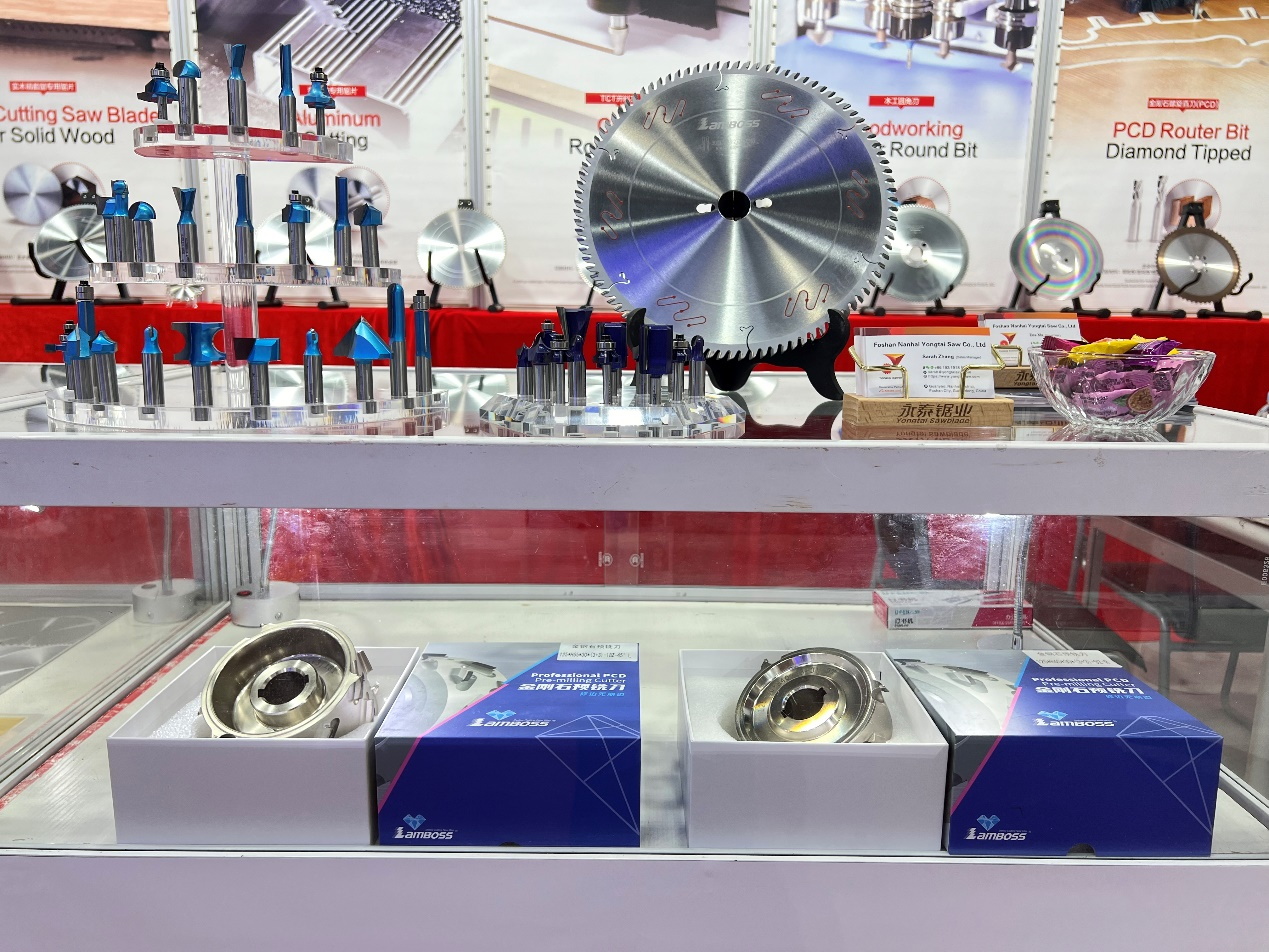
A TCT composite blade milling cutter is a cutting tool designed for machining composite materials and other suitable industrial workpieces. TCT stands for tungsten carbide tipped, referring to cutting edges equipped with durable carbide tips. This construction offers a combination of cutting efficiency, wear resistance, and reliable performance for applications requiring consistent machining results.
With the appropriate tool design and operating parameters, a TCT composite blade milling cutter can help manufacturers improve processing efficiency, achieve clean cutting edges, and maintain stable production quality.
Key Features and Benefits
1. Excellent Wear Resistance
The tungsten carbide tips provide high hardness and resistance to abrasive wear. This feature is particularly useful when machining composite materials that may contain reinforcing fibers or abrasive components. Proper tool selection and maintenance can help extend service life and reduce replacement frequency.
2. Precise Cutting Performance
A well-designed TCT composite blade milling cutter supports accurate material removal and consistent machining results. Depending on the cutter geometry and application, it can help produce clean edges and maintain dimensional accuracy during production.
3. Efficient Material Processing
The cutter is designed to support efficient machining operations in suitable composite materials. Selecting the correct cutting speed, feed rate, and tool configuration can help improve productivity while controlling heat generation and tool wear.
4. Durable Tool Construction
Tungsten carbide cutting tips provide a durable cutting edge, while the tool body offers structural support during operation. The combination is suitable for industrial environments where stable cutting performance and dependable tool life are important.
5. Versatile Industrial Applications
Depending on its specifications, a TCT composite blade milling cutter may be used for trimming, edge machining, slotting, or other milling operations involving compatible composite panels and materials.
Industrial Applications
TCT composite blade milling cutters can be used in manufacturing environments that process composite boards, fiber-reinforced materials, and selected engineered panels.
Potential applications include furniture manufacturing, interior component production, industrial panel processing, and composite product fabrication. The exact suitability of a cutter depends on the material composition, thickness, machining requirements, and tool design.
For applications involving carbon fiber, glass fiber, or other reinforced composites, manufacturers should select a cutter specifically designed for the relevant material to help minimize edge damage, delamination, and excessive tool wear.
How to Choose the Right Cutter
When selecting a TCT composite blade milling cutter, consider the following factors:
Material compatibility: Confirm that the cutter is suitable for the specific composite or panel being processed.
Cutter dimensions: Check the diameter, cutting width, shank size, and other dimensions required by the machine.
Cutting geometry: Choose an appropriate tooth design and cutting profile for the intended operation.
Machine compatibility: Ensure that the cutter matches the machine spindle, mounting system, and operating specifications.
Operating parameters: Follow the manufacturer's recommendations for cutting speed, feed rate, and machining conditions.
Maintenance requirements: Inspect cutting edges regularly and follow proper storage and handling procedures.
Using a compatible cutter and suitable operating parameters can help improve machining quality, reduce unnecessary downtime, and support consistent production.
Conclusion
A TCT composite blade milling cutter is a practical cutting solution for suitable composite machining applications. Its tungsten carbide tipped cutting edges provide wear resistance and dependable performance, while the appropriate cutter geometry helps achieve efficient material removal and consistent results. By choosing the right specifications for the workpiece and machine, manufacturers can improve processing efficiency and maintain reliable machining quality.
RELATED INFORMATION

Contact Us
86-18319185093 (same as WeChat)
Foshan Nanhai District Shishan Town Guanyao Village Industrial Development Zone
online message
Filling in your phone and E-mail information will help us to get in touch with you in time and solve your problems as soon as possible.