

-
-
Products

-
Technical Service
-

News
News Information
Milling Cutter — Precision Tool for Material Shaping and Machining
A milling cutter is a fundamental cutting tool widely used in manufacturing, metalworking, and machining industries to remove material from a workpiece and create precise shapes, slots, contours, and surfaces. It plays a critical role in producing components with high accuracy, smooth finishes, and complex geometries in industries such as automotive, aerospace, electronics, mold making, and general engineering. Milling cutters are designed to operate in milling machines, CNC machines, and machining centers, where rotational motion combined with controlled feed rates enables efficient material removal.
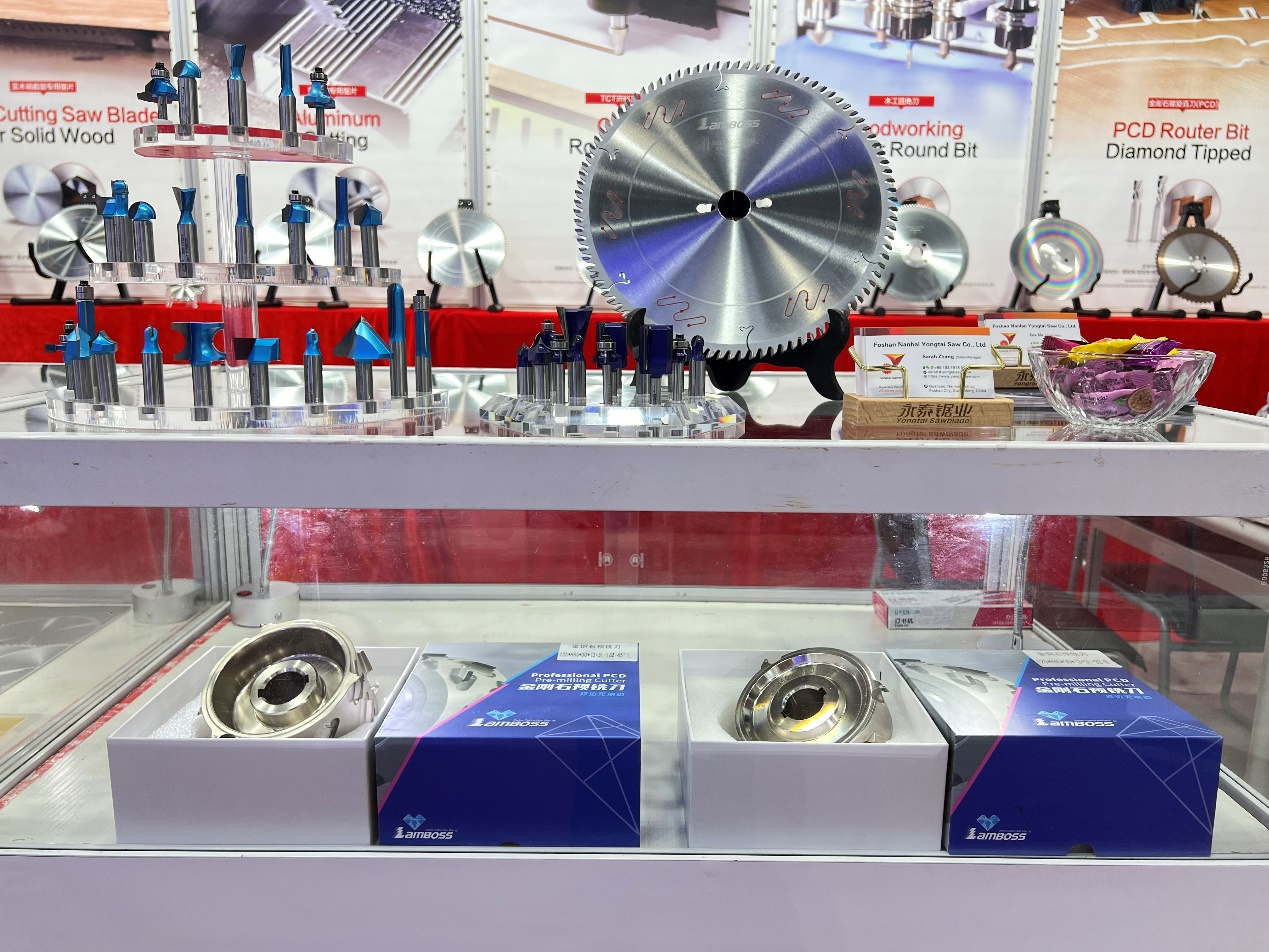
Milling cutters come in a variety of shapes, sizes, and materials to meet diverse machining requirements. Common types include end mills, face mills, slab mills, ball nose cutters, and side-and-face cutters. End mills are versatile tools used for profiling, slotting, and contouring operations, while face mills are primarily employed for removing large amounts of material from flat surfaces. Ball nose cutters are ideal for producing complex 3D contours and curved surfaces, often used in mold and die making. Side-and-face cutters combine cutting along the sides and face, suitable for grooves and slots with precision.
Constructed from high-speed steel (HSS), carbide, or coated alloys, milling cutters provide excellent hardness, wear resistance, and thermal stability. Carbide cutters, in particular, can maintain cutting efficiency at high speeds and temperatures, making them suitable for high-performance applications. Coatings such as titanium nitride (TiN), titanium carbonitride (TiCN), or aluminum titanium nitride (AlTiN) further enhance tool life by reducing friction, improving heat resistance, and minimizing wear. These features ensure consistent machining quality and reduce downtime in production environments.
The milling process involves a rotating cutter that engages with a stationary or moving workpiece. Material removal occurs through shearing, producing chips while the cutter’s geometry and cutting parameters determine the surface finish, tolerance, and accuracy of the part. Operators and CNC programming engineers must carefully select the appropriate cutter type, cutting speed, feed rate, and depth of cut to optimize performance and tool longevity. Modern CNC systems allow for precise control of tool paths, spindle speed, and feed rates, enabling intricate and repeatable machining operations.
Milling cutters are essential for a wide range of applications. In the automotive industry, they are used to machine engine components, transmission parts, and chassis structures. Aerospace manufacturers rely on milling cutters for producing turbine blades, structural components, and landing gear parts that require tight tolerances and high surface quality. In the electronics sector, miniature milling cutters are used to create precise features in PCB substrates, connectors, and casings. Mold and die industries utilize ball nose and specialized cutters to achieve smooth, complex contours for injection molding, stamping, and casting tools.
The efficiency and effectiveness of a milling cutter depend on several factors: the cutter material, flute design, helix angle, coating, and geometry. Multi-flute cutters provide smoother finishes and higher material removal rates, while single-flute cutters are ideal for soft materials and high-speed operations. Helix angles influence chip evacuation and cutting forces, with higher angles generally reducing vibrations and improving surface quality. Proper selection and maintenance of milling cutters are crucial for consistent machining accuracy, reducing wear, and avoiding tool failure.
Safety and maintenance are important considerations when using milling cutters. Operators must follow proper handling procedures, use personal protective equipment (PPE), and ensure machines are correctly set up to prevent accidents. Regular inspection, sharpening, and replacement of worn cutters help maintain optimal performance. Advances in tool monitoring systems and predictive maintenance have further enhanced milling operations by detecting wear and preventing unexpected downtime.
In addition to conventional milling, milling cutters are also used in advanced manufacturing techniques such as high-speed machining (HSM), multi-axis milling, and 3D surface machining. These applications require precision tools with high rigidity and thermal stability to handle complex geometries and high cutting forces. Milling cutters have also evolved to include modular designs, indexable inserts, and specialized geometries tailored for specific materials, including steel, aluminum, titanium, composites, and plastics.
In conclusion, the milling cutter is a cornerstone tool in modern manufacturing, enabling precise material shaping, surface finishing, and complex part production. With advancements in materials, coatings, and CNC technology, milling cutters continue to improve productivity, accuracy, and efficiency across industries. Their versatility, reliability, and performance make them indispensable in engineering, automotive, aerospace, electronics, mold making, and countless other sectors, ensuring high-quality machining and consistent production outcomes.
RELATED INFORMATION

Contact Us
86-18319185093 (same as WeChat)
Foshan Nanhai District Shishan Town Guanyao Village Industrial Development Zone
online message
Filling in your phone and E-mail information will help us to get in touch with you in time and solve your problems as soon as possible.